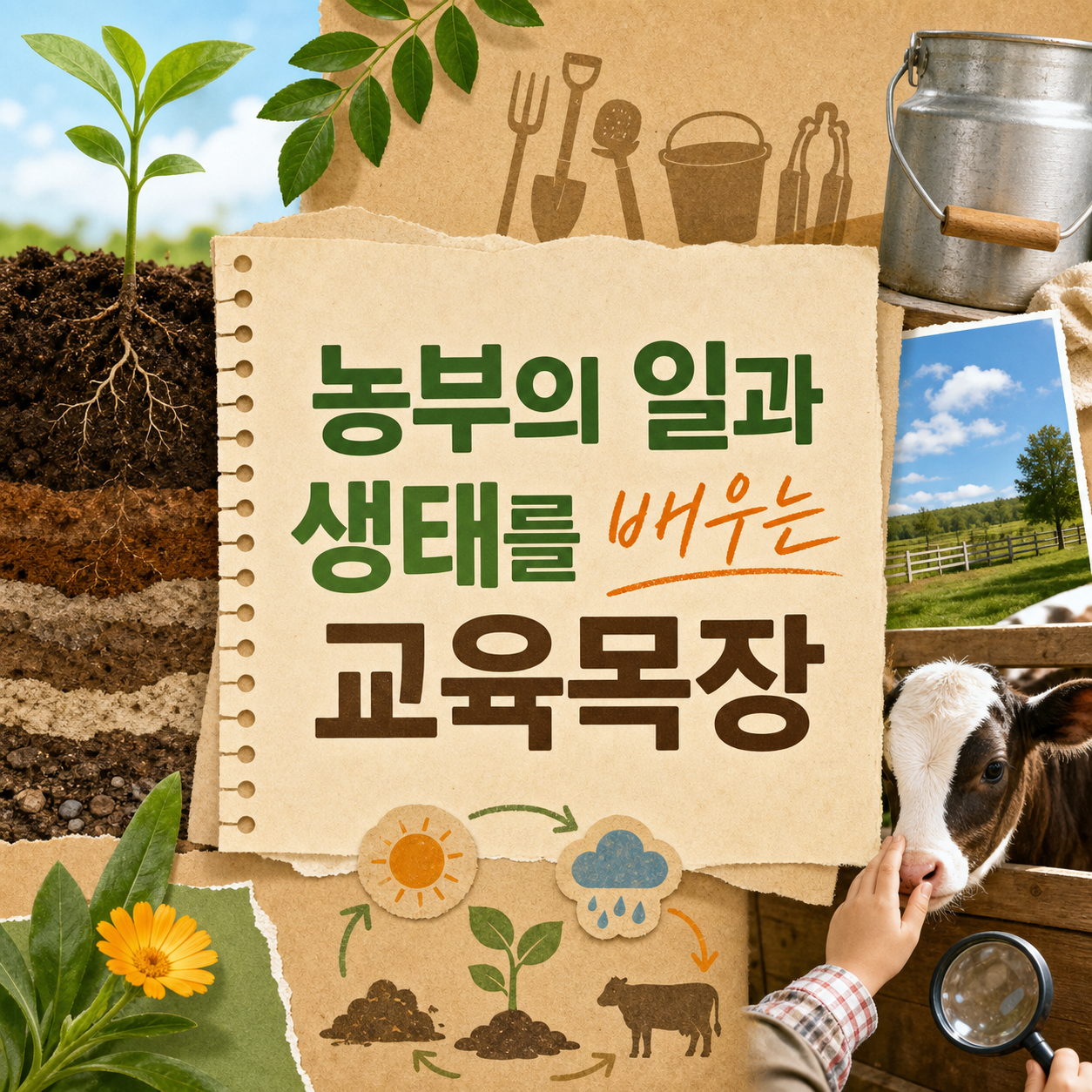
Ten hands-on dairy farms across Korea where kids watch, ask, and learn how milk actually becomes food.
A good educational farm isn't measured by how many activities a child finishes, but by whether they start asking questions — what a cow eats, how it rests, what happens to milk before it reaches a table. This list pulls together real dairy farms and rural-education programs where watching cows, learning how milking works, and making cheese connect into one visit.
Open-access tourist farms and reservation-only education farms run very differently. A farm's website listing doesn't guarantee a same-day slot, so check age range, minimum group size, and cost before you go. Treat boot disinfection and handwashing stations as part of the experience — they exist because this is a working production site, not just an attraction.
What to check before you go
- Format — open-access tourist ranch versus reservation-only education farm
- Age range and minimum group size — younger kids tend to do better with observation-focused programs
- Allergies and hygiene rules — flag any dairy allergy and expect boot disinfection as standard practice
Aesim Ranch
Eunah Ranch
Nongdowon Ranch
Cheonggye Ranch
Sinhaneul Ranch
Mireu Ranch
Mosan Ranch
Wawoo Ranch
Jinju Ranch
Morning Calm Ranch
How to choose
If you want to visit without a group reservation, check which farms run as open-access tourist ranches; if you're coming as a school or organized group, look for one with a structured education-farm program. Younger kids tend to do better with observation-focused visits, while older elementary-age kids often get more out of hands-on cheese- or dairy-making.
When comparing, match up the booking method, minimum group size, and age range first, and flag any dairy allergy at the booking stage if tasting or ingredient handling is involved. Checking the rain policy and backup schedule before a long drive also saves you a wasted trip.
Operating details and program formats reflect the time of research and may change, so confirm again through each farm's official channel before visiting.
Frequently asked questions
Can individuals visit, or is it group-only?
It depends on the farm. Tourist-style farms generally welcome walk-in individual visitors, while education-farm programs often run group-reservation only, so it's worth calling ahead to confirm individual booking is even an option.
Can kids with dairy allergies still take part?
Tasting and hands-on cheese-making usually involve direct contact with dairy, so flag any allergy when you book. Some farms can swap in alternative ingredients or shift a child toward observation-only activities.
Do these farms operate in the rain?
Outdoor observation segments are often scaled back or moved indoors depending on weather and the animals' condition. If you're traveling a long distance, confirm the rain policy and any backup schedule before you leave.
How far in advance should I book an experience program?
Booking windows vary by farm, ranging from a few days to a few weeks ahead. If you have a specific date or time in mind, inquiring as early as possible gives you the best chance of securing a spot.
Why are hygiene procedures like boot disinfection so strict?
Handwashing and boot disinfection are minimum hygiene measures that protect both visitors and animals, and real dairy operations enforce them to prevent disease. Skipping them can get your entry restricted, so it's best to follow the posted instructions as given.
Get new lists before anyone else
Once a week — only the new lists worth your time.
No spam · unsubscribe in one click
You may also like
Ten Ranches Built for a One-Night, Two-Day Trip
How to pin down ranch reservations and closing times first, then build check-in, meals, and a next-day route around a single ranch — so a trip doesn't turn into more driving than actual ranch time.
10 Winter Ranches in Korea Worth the Snowy Drive
A winter ranch guide that checks road, wind, and closure conditions before the scenery, so a snow-day trip doesn't fall apart halfway through.
10 Korean Ranches Worth Visiting for the Season Alone
From spring canola and rye to autumn silver grass and pink muhly, ten Korean ranches worth a seasonal walk with or without the animal experiences
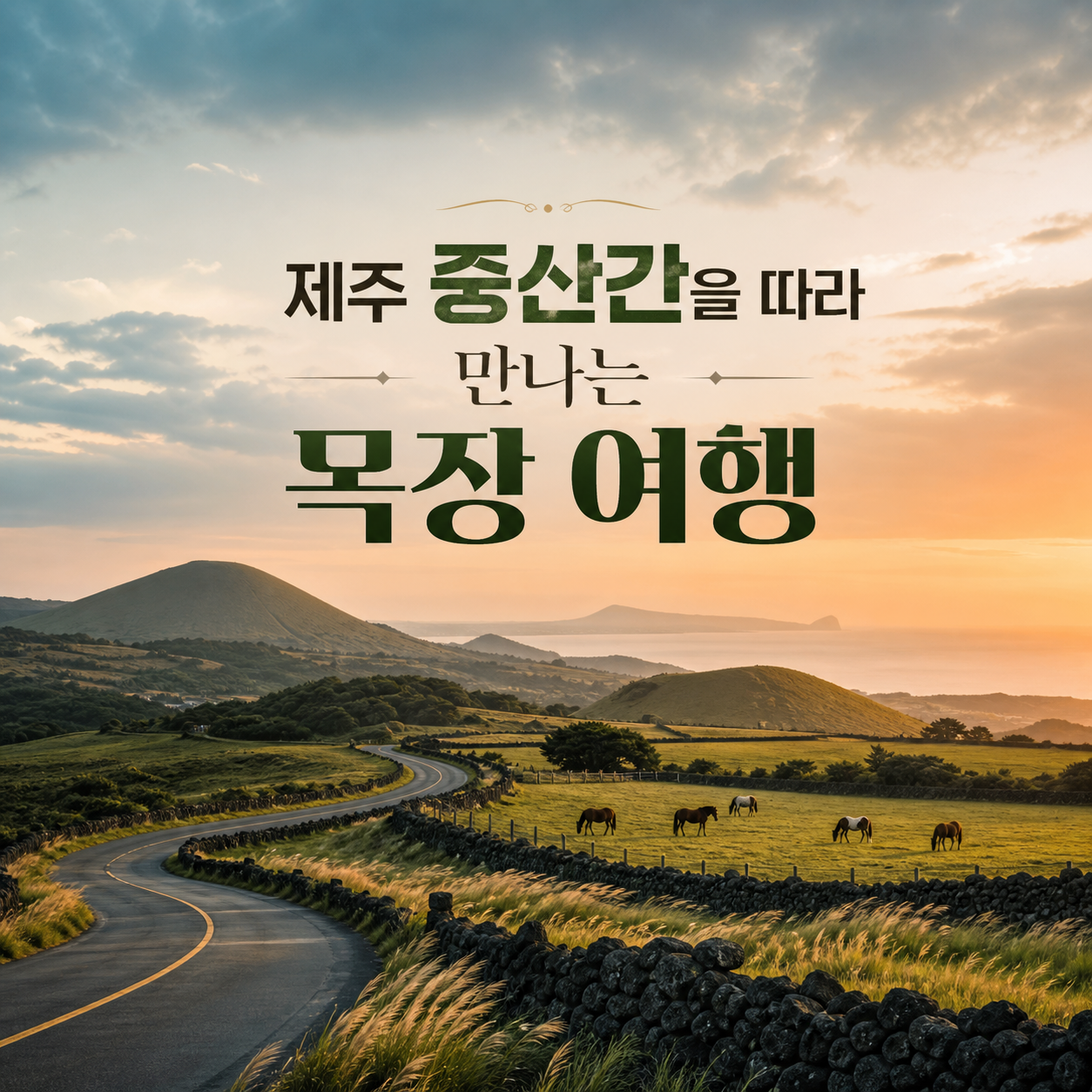
Jeju's Midland Ranches: A Road Trip Away From the Coast
From the grasslands of Geumak to the horse pastures along Road 516 and the riding clubs of Pyoseon and Seongeup, ten ranches trace Jeju's ranching culture region by region.