TOP 10

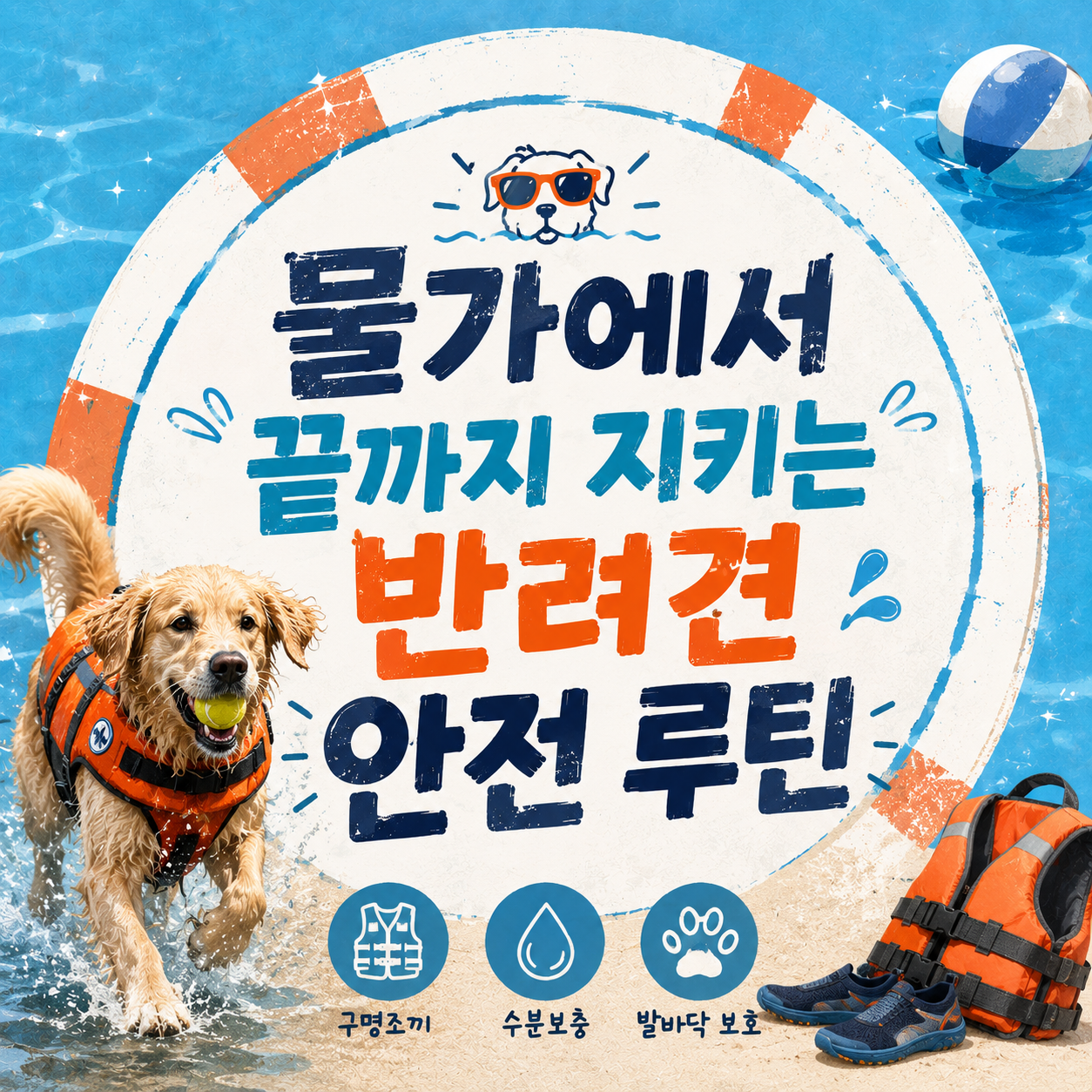
A Life Jacket Isn't Permission to Look Away — A Dog's Summer Water Safety Routine

Updated 9/10/2026
A Life Jacket Isn't Permission to Look Away — A Dog's Summer Water Safety Routine

From fitting a life jacket to checking water quality to post-swim ear and skin care, ten habits that carry a dog through water play safely, in order.

A safe water-play routine for dogs means treating life jacket fit, water quality checks, session length, and post-swim ear and skin care as one connected set, not separate boxes to tick. Many owners assume that once a life jacket is on, the risk is basically handled, but most real problems trace back to supervision slipping for a moment, fatigue building up unnoticed, or exposure to contaminated water. Body shape, age, health, and swimming experience all affect how well a dog floats and finds direction, and even a confident swimmer can suddenly struggle once currents or heat pile on.

How this list was built

  • Chosen around the points owners actually tend to miss in practice
  • Ordered by timeline — fit, adjust, watch, rest, water quality, hydration, entry and exit, heat, hygiene, rules — following before, during, and after play
  • Every entry shares the same underlying rule: skip guesswork and home remedies, and call a vet when something looks off

If your dog is new to water, follow ranks one through three closely before anything else. If your dog already swims comfortably but you're at an unfamiliar spot or it's a hot day, check rank five on water quality and rank eight on heat first.

01

Fit the life jacket to your dog's body

Check that it matches your dog's chest measurement and has a handle, bright color, and adjustable straps, then test it on land and in shallow water first. If it slips when wet or restricts leg movement too much, size up or down, and a handle that's too loose won't help much in an emergency grab. Being a strong swimmer isn't a reason to skip it in deep water or on a boat, and when buying one for the first time, weight and activity level both matter for sizing.
Fit the life jacket to your dog's body
02

Start slow in shallow, calm water

Let your dog wade in at their own pace while you stay close for a short adjustment period. If they seem frightened, paddle only with their front legs, or swallow water, bring them back to land, let them settle, and try again later. Don't toss them in or drag them toward the water, since that can build lasting fear of it instead of comfort, and how long the adjustment takes will vary from dog to dog.
Start slow in shallow, calm water
03

Never look away while they're in the water

Watch from within arm's reach the entire time they're swimming, and keep a clear path back to land available at all times. If they slow down, lose direction, or keep swallowing water, get them out immediately rather than waiting to see if it passes. Wearing a life jacket isn't a reason to let them swim unsupervised, and it's worth resisting the urge to look away even for a quick task nearby.
Never look away while they're in the water
04

Keep sessions short with breaks on land

Break swimming into short stretches and check that breathing and energy recover in the shade each time. If you see vomiting, coughing, lethargy, or stumbling, end the session and call a vet rather than pushing through. Don't keep throwing a toy until they're swimming to exhaustion, and older dogs or ones with existing health conditions should get shorter intervals between rests.
Keep sessions short with breaks on land
05

Avoid stagnant or discolored water

Keep your dog out of water with a smell, foam, algae streaks, or visible dead fish, and check for posted warnings at the site before letting them near it. If symptoms like vomiting, drooling, weakness, or breathing trouble appear after exposure, get veterinary care right away. Looking clear isn't the same as being safe to drink, and stagnant ponds or reservoirs deserve extra caution in summer.
Avoid stagnant or discolored water
06

Don't let them drink ocean or pool water

Bring clean drinking water and a bowl separately, and call them back to land often enough to offer it during play. If vomiting, diarrhea, or unusual behavior follow drinking too much, contact a vet rather than waiting it out. Don't let thirst get solved with seawater, lake water, or pool water instead, and offering water proactively between swims helps prevent that urge.
Don't let them drink ocean or pool water
07

Teach the entry and exit points first

Practice going in and out through a safe spot — steps or a gentle bank — repeatedly together before free play begins. If they can't find the exit and start struggling at the edge, help them immediately instead of waiting to see if they figure it out. Don't leave them in a pool with only slick vertical walls and no accessible exit, and at a new location, locate the exit together before the swimming starts.
Teach the entry and exit points first
08

Get out of direct sun and off hot sand

Set up shade and a dry resting spot in advance, and check sand, decking, or rock surface temperature with your hand before your dog walks on it. If they keep lifting a paw, their skin reddens, or panting gets excessive, move them right away. Being wet doesn't cancel out heat risk, so scheduling play for early morning or late afternoon instead of midday is worth considering.
Get out of direct sun and off hot sand
09

Rinse with clean water and dry off afterward

Rinse off salt water, chlorine, or contaminants with clean water, then gently dry the outer ear, skin folds, and between the toes. If ear odor, pain, redness, or itching persists, get it checked by a vet instead of waiting for it to clear up. Don't push a cotton swab deep into the ear canal or use a human ear cleaner, and floppy-eared breeds need extra attention so moisture doesn't linger after swimming.
Rinse with clean water and dry off afterward
10

Follow site rules and keep distance from wildlife

Check leash and access rules for the area ahead of time, and keep your dog from approaching wildlife or other visitors. If a bite, scratch, or contact incident happens, check the wound and get veterinary care if needed rather than assuming it's minor. A reliable recall isn't a reason to let them off-leash in a restricted area, and keeping the leash short when an unfamiliar animal appears is the safer default.
Follow site rules and keep distance from wildlife

What to check first, by situation

For a dog going into water for the first time, treat rank 1 (life jacket fit), rank 2 (shallow-water adjustment), and rank 3 (close supervision) as one non-negotiable set. At a stream or pond where the water looks stagnant or smells off, check rank 5 on water quality and rank 6 on drinking water first, and on a hot beach day or deck, don't skip rank 8 on heat management.

Across all ten, the core idea narrows down to three things: check the gear and environment before you go in, never look away while your dog is in the water, and inspect their body, ears, and skin once you're out. Getting only one of these right doesn't add up to full safety.

Every dog differs in stamina, health, and experience, so the same situation can affect two dogs differently — if anything looks unusual before or after water play, the safe move is to consult a veterinarian rather than guess.

Frequently asked questions

Is it fine to look away once my dog has a life jacket on?

No. A life jacket helps with buoyancy and visibility, but it doesn't replace supervision. Keep watching from within reach even while they're wearing one, and get them out immediately if they slow down or seem to lose direction.

Is it okay if my dog swallows a little ocean or pool water?

It's not something to assume is fine. Offer clean drinking water separately and often, and if vomiting, diarrhea, or unusual behavior follow drinking too much, contact a veterinarian.

What if my dog's ears smell off after swimming?

Gently drying the outer ear after swimming is standard, but if the smell, pain, or redness continues, get it checked by a vet rather than trying a home remedy. Avoid pushing a cotton swab deep into the ear canal.

Why is stagnant or algae-covered water dangerous?

Stagnant or discolored water can carry cyanobacteria toxins or other contaminants that trigger vomiting, drooling, weakness, or breathing trouble. Keep your dog out if you see a bad smell, foam, algae streaks, or dead fish, and get veterinary care right away if symptoms appear after exposure.

How long can a dog safely swim in one session?

There's no fixed number of minutes — the safer approach is short stretches with breaks in the shade to check breathing and energy each time. End the session and call a vet if you see vomiting, coughing, lethargy, or stumbling.

Does being wet protect a dog from heat?

No. Even a wet dog can suffer paw burns or heat stress from lingering too long on hot sand or decking. Set up shade and a dry resting spot in advance, and check surface temperature with your hand before letting them stand there.

NEWSLETTER

Get new lists before anyone else

Once a week — only the new lists worth your time.

No spam · unsubscribe in one click

This page contains affiliate links. We may earn a commission from qualifying purchases.