
Six essential Touched tracks, in a suggested listening order, that move from lifting pop-rock to restrained rock ballads to driving rock.
The hardest question for a new listener is always 'where do I even start.' The more songs a catalog has, the harder it is to find an entry point, and the word 'essential' alone doesn't tell you much about a band's actual range. Touched isn't just an upbeat pop-rock act — its catalog runs from restrained rock ballads to driving, guitar-forward rock, with each track occupying a distinctly different register.
How we picked
- Cover a genuine spread of arrangement weight and tempo
- Start with tracks a first-time listener can sing along to without effort
- Order them so the band's distinct sound gets heavier as you go
This list compresses that range into six songs, moving from the easiest entry point toward tracks with a heavier, more distinctly Touched sound. Each entry notes why it sits where it does and what to listen for, so following the order lets you feel the differences directly. If something here clicks, the natural next step is finding other songs in a similar register and branching out from there.
Highlight

Hi Bully

Stand Up!

Love is Dangerous
Shut Down
Addiction
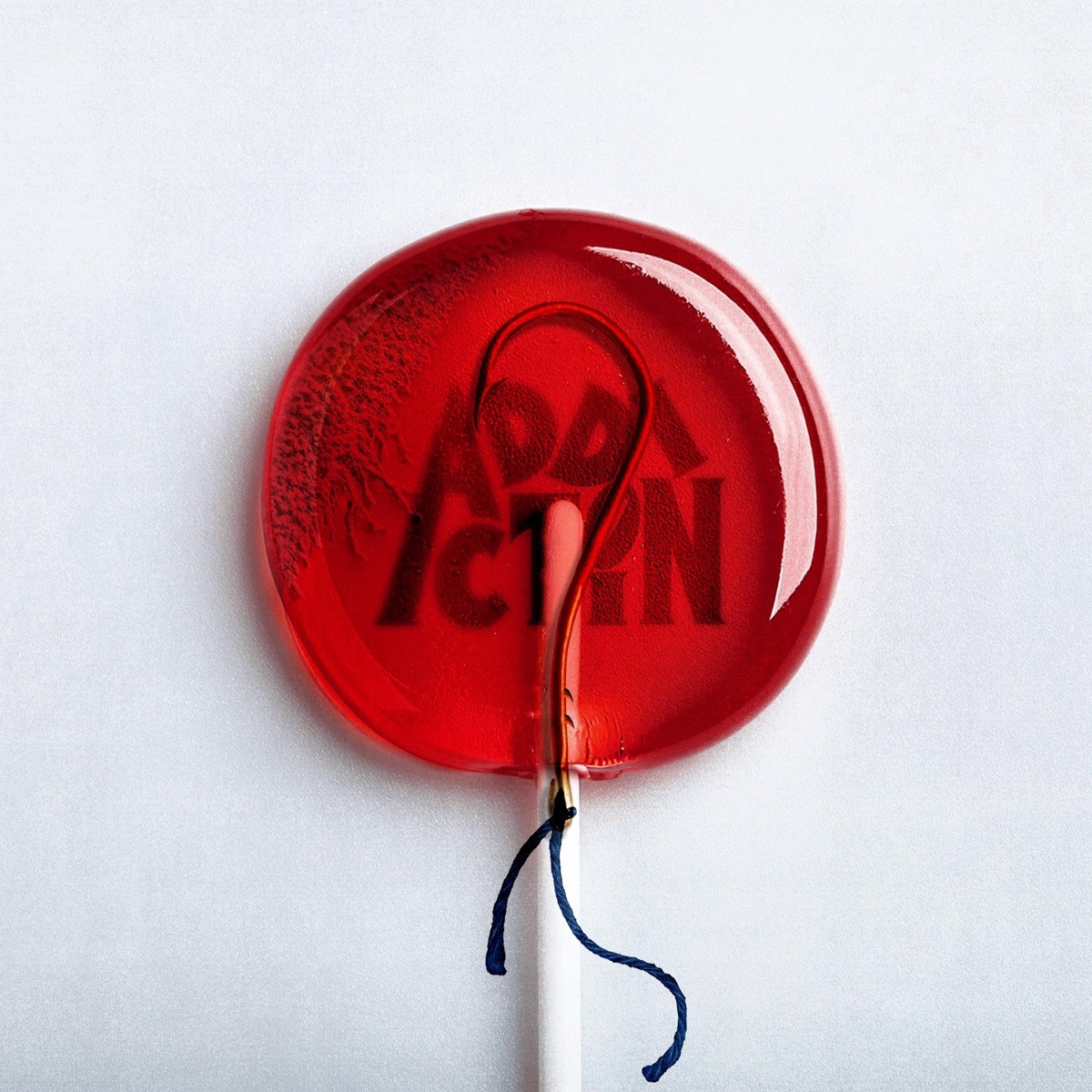
If you've made it this far
Listen through all six in order and you've toured the full spectrum: ascending pop-rock (Highlight, Stand Up!), restrained-to-heavy rock ballads (Love is Dangerous, Shut Down), and driving rock (Hi Bully, Addiction). If the bright, high-energy tracks stood out, look for songs closer to Stand Up! or Addiction next; if the heavier tracks pulled you in, follow the thread from Shut Down instead. These notes reflect one listener's impression at the time of writing, so your own read may differ.
Frequently asked questions
Which Touched song should I hear first?
Just follow this list's order. It starts with an accessible, uplifting pop-rock track and moves toward songs with a heavier band sound, so listening in sequence gives you a smooth first read on the band's range.
What genre is Touched?
Pop-rock at its core, but the band covers a wide range — from rock ballads to high-energy rock. The weight of the arrangement and tempo shifts a lot from song to song, so these six tracks are a more accurate guide than any single genre label.
I only want the fast tracks like Hi Bully and Addiction — which order works?
Either order works, since both lean on riff repetition for tension. Hearing Hi Bully's guitar riff first can make Addiction's vocal-driven hook stand out more clearly by comparison.
Love is Dangerous and Shut Down both feel heavy — what's the difference?
Love is Dangerous leans on the tension between piano and guitar and a more dramatic vocal to express emotion directly, while Shut Down starts restrained and slowly builds pressure instead. Listen for release versus accumulation and the distinction becomes clear.
What should I listen to next?
If the brighter, higher-energy tracks stood out, check the mood-based listening list for similar songs. Curious about live energy? Try the official live compilation. Interested in the playing itself? Move to the band-performance list.
Get new lists before anyone else
Once a week — only the new lists worth your time.
No spam · unsubscribe in one click
You may also like

New to AKMU? Start by Listening for the Distance Between the Two Voices
Seven songs tracing AKMU's path from acoustic-pop debut through collaborations to their latest album — built around how the duo's voices interact.

Six Jukjae Songs for Night Walks, Paced to Your Stride
Six Jukjae songs that don't comfort loudly but simply walk alongside you, chosen for pace and nighttime mood.

Jukjae's Official Live Sets, Where the Songs Breathe Differently
Six official tour, broadcast, and outdoor live performances by Jukjae, chosen for how far they drift from the studio originals.
Jukjae's Guitar Doesn't Push the Song — 6 Tracks to Hear the Arrangement
Instead of guessing gear, this list follows the riffs, rhythm, and space you can actually hear to show how Jukjae's guitar holds a song up.