
Anchor on Vega in Lyra and you can find Cygnus, Aquila, Scorpius, Sagittarius, and Hercules one after another across a single summer night.
Where should you start if you want to find summer constellations? Start with Vega in Lyra. Summer stars are not packed together the way winter's are, and humid air tends to haze the sky, so without an anchor star it is easy to lose your place. Flipping between a phone app and the sky, you often end up not really looking at the sky at all.
This list gathers six constellations you can find again and again on any clear night from late June through August, ordered from easiest to hardest. Connect Vega, Deneb, and Altair to draw the Summer Triangle first, then lower your gaze south to Scorpius and Sagittarius, and finish with a try at Hercules.
How we ordered them
- Is there a bright anchor star you can catch even from the city?
- Does it help you find other constellations?
- Does it need an open southern sky?
- Is it possible by eye, or do you need binoculars?
If it's your first time, ranks 1 to 3 are plenty. If you're heading to the suburbs or a beach, add ranks 4 and 5. Save rank 6 for a night you bring binoculars.
Lyra
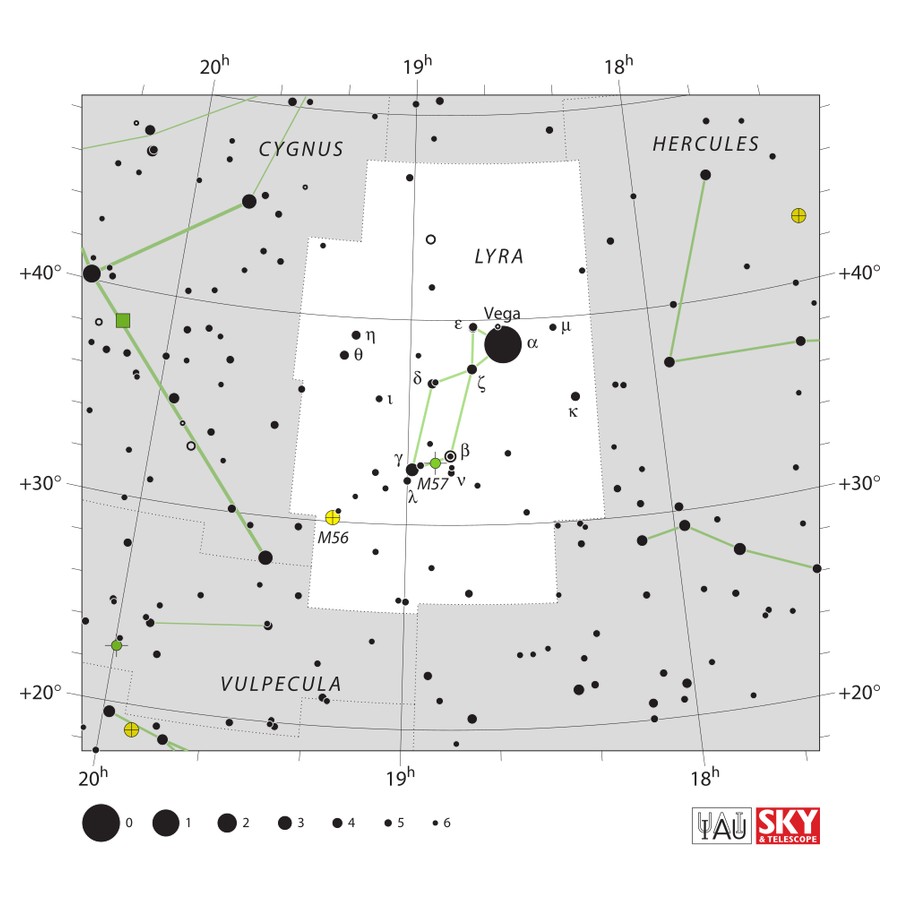
Cygnus
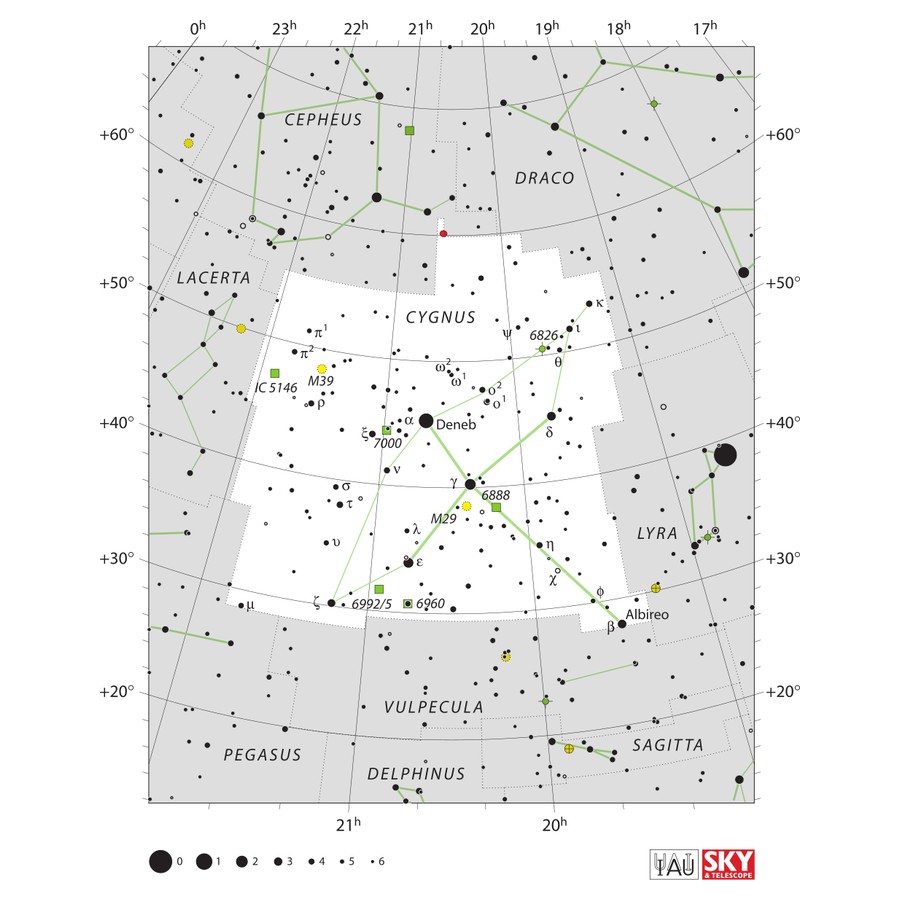
Aquila
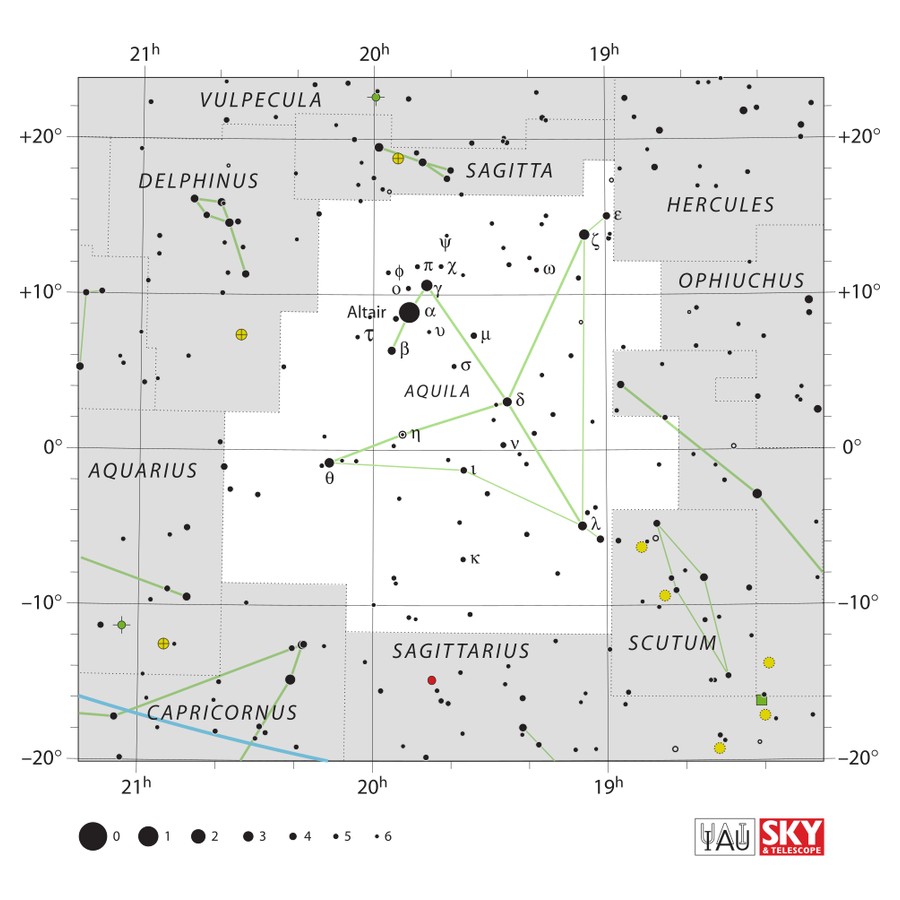
Scorpius
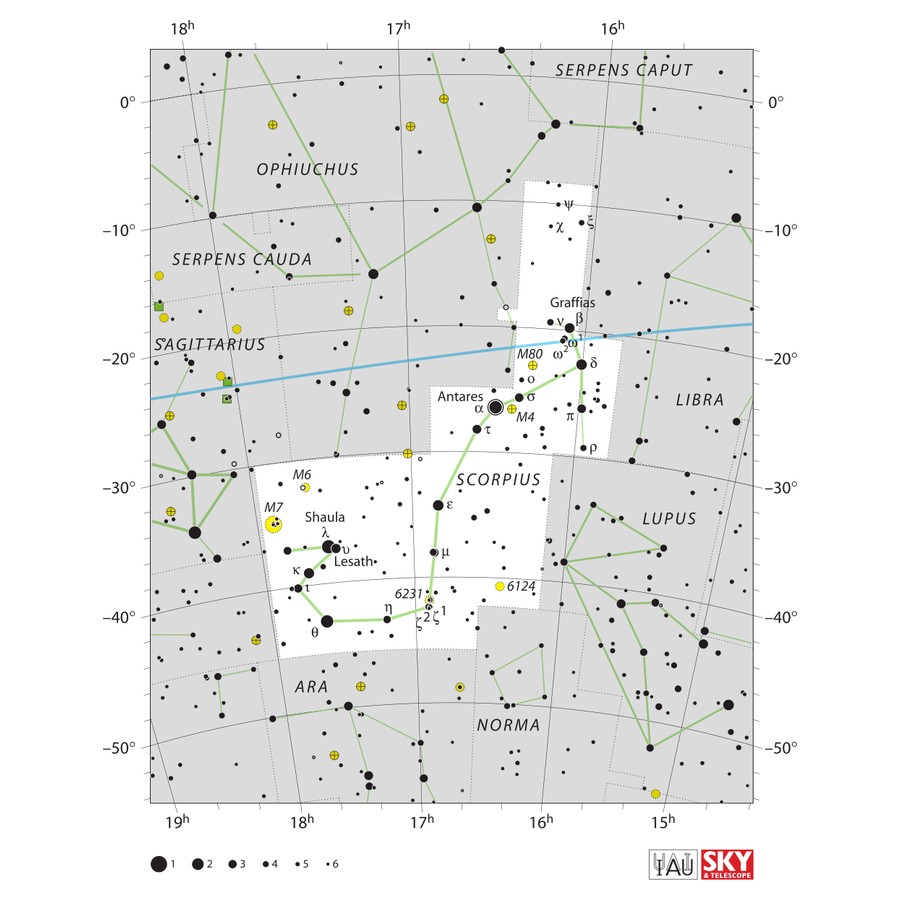
Sagittarius

Hercules

How to choose
On your first night out, start with Lyra at rank 1 and complete the Summer Triangle with ranks 2 and 3. That route works from a city balcony or park. If you want the Milky Way, head to a suburb or beach with an open southern horizon and little light, and aim for Scorpius at rank 4 and Sagittarius at rank 5. With binoculars, M13 in Hercules at rank 6 is your next target.
Wherever you go, skip bright-moon nights and give your eyes 10 to 20 minutes to adapt on arrival, and you will see far more stars. Use a star app only as a helper. Night outings come with mosquitoes, dark paths, and rising tides on beaches, so travel with a companion. Star positions and visible times shift with date and place, so check the weather and sunset time before you go.
Frequently asked questions
When's the best time to look for summer constellations?
From late June through August, the Summer Triangle climbs high enough to see well after 9 or 10 p.m. This stretch overlaps with Korea's monsoon season and tropical nights, so check for clear skies and humidity before heading out.
Can I see summer constellations from inside a city?
Bright anchor stars like Vega, Deneb, and Altair are easy to spot even with city lights. Fainter targets like the Milky Way or star clusters suffer from light pollution, so a dark spot outside town is much better.
Do I need binoculars to see the Hercules cluster?
M13 is hard to pick out with the naked eye. Even a small pair of binoculars reveals it as a faint, fuzzy patch, so bring a pair once you're comfortable finding constellations.
What stars make up the Summer Triangle?
It is the large triangle joining Vega in Lyra, Deneb in Cygnus, and Altair in Aquila. All three are bright, so they serve as the starting point for summer stargazing, and the Milky Way runs through the triangle.
Why are Scorpius and Sagittarius hard to find?
Both hang low in Korea's southern sky, so buildings or hills easily block them. Choosing a beach or high ground with an open southern view makes it much easier.
How do I help my eyes adapt to the dark?
After 10 to 20 minutes in a dark place your eyes adapt and more stars appear. Staring at a bright phone screen resets that, so dim the app or use it only in short glances.
Get new lists before anyone else
Once a week — only the new lists worth your time.
No spam · unsubscribe in one click