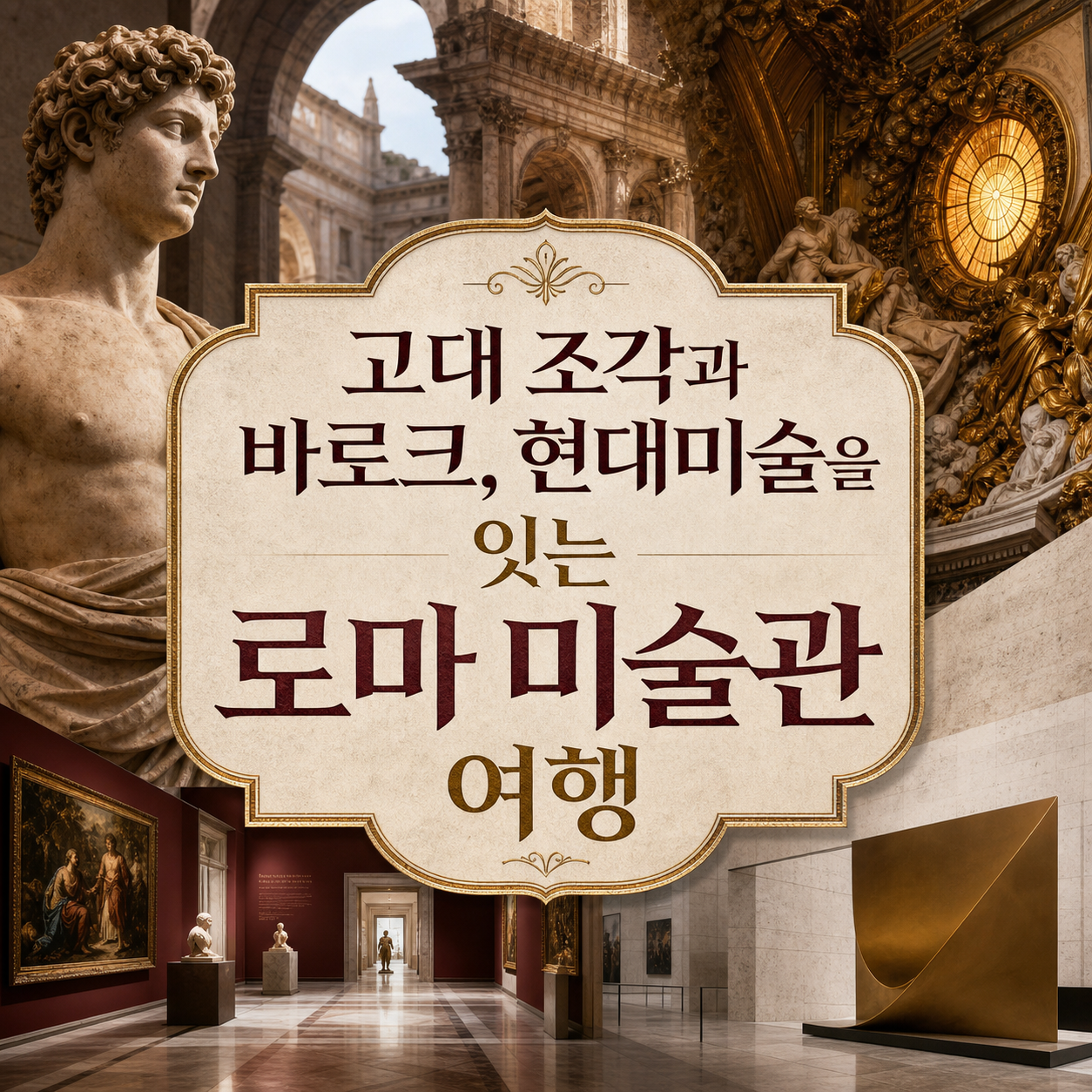
Rome's museums, from the Borghese and Vatican classics to MAXXI and a power plant full of marble, show ten ways power gets staged as art.
The most realistic way to choose among Rome's museums is to pair one classical collection with one contemporary space each day. Rank them by fame alone and you keep landing on the same few names, but once you start walking, the more interesting thing is how differently art gets staged: imperial, papal, aristocratic, industrial, experimental. So this list weighs how each place shows power through art more than how famous its masterpieces are.
Where travelers actually get tripped up is booking and routing. The Vatican and the Borghese run on timed entry that is all but mandatory, and cobblestones and heat make walks feel much longer than the map suggests. Somewhere out of the center like Montemartini needs its own check of transit and combined tickets.
How we chose
- Character of the display: does the building and layout say as much as the art?
- Balance of eras: ancient, Baroque and modern, without leaning one way
- Access: how hard is booking, and how much walking is involved?
- First-timer fit: start at the top if new, lower down if returning
If it is your first time in Rome, build your frame from ranks 1 to 3. If you have done the classics, look to the contemporary and industrial spaces from rank 4 onward.
Borghese Gallery
Capitoline Museums
Vatican Museums
MAXXI
GNAM (National Gallery of Modern Art)
Palazzo Barberini
Galleria Doria Pamphilj
Centrale Montemartini
Ara Pacis Museum
MACRO
How to choose
For a first visit, set the classical backbone with the Borghese Gallery at rank 1 and the Vatican Museums at rank 3, then add the Capitoline Museums at rank 2 if ancient objects interest you. If architecture is the draw, MAXXI at rank 4 and the Ara Pacis Museum at rank 9 fit best, and if you want a quiet visit, Centrale Montemartini at rank 8 delivers.
When comparing, look at three things first: how you book, how long the walk is, and whether a combined ticket exists. One classical stop and one contemporary stop per day is comfortable. Details reflect the research date and may change, so check official channels before you go.
Frequently asked questions
Do I really need to book the Vatican and Borghese in advance?
During peak season, walk-up tickets are close to impossible. The Borghese runs timed slots, and if you miss yours you are not getting in, while Vatican pre-booking can cut the queue dramatically. Stick to official websites, since other sellers cannot be trusted on price or authenticity.
How many museums can I realistically fit in one day?
One classical collection (Vatican or Borghese) paired with one contemporary space (MAXXI, MACRO and the like) is realistic. Central Rome is heavy on cobblestones and stairs, so walking takes longer than map distances suggest. Build in some slack.
Is the trip out to Centrale Montemartini worth it?
Ancient sculpture alongside industrial heritage is rare even by Rome's standards, so it comes down to taste. Its collection connects to the Capitoline Museums, so check for a combined ticket to ease the trip. If time is tight, fill your central days first and save it for a last afternoon.
Where should I start for Baroque art?
The Borghese Gallery is the most concentrated option, with Bernini's marble groups and paintings by Caravaggio and Raphael under one roof. To go wider, follow it with the frescoes and paintings at Palazzo Barberini.
Which museums are best for contemporary art?
Pick MAXXI if you want the architecture too, GNAM for a broad modern and contemporary collection, and MACRO if you are curious about work in progress and experimental programming. Shows rotate often, so check what is on before you go.
Are there dress codes or bag rules?
Routes that include religious sites can come with dress codes and bag policies. Rules can change, so confirm them on each museum's official website before you leave.
Get new lists before anyone else
Once a week — only the new lists worth your time.
No spam · unsubscribe in one click
You may also like

Lisbon Put Its Identity in Tile, Not Just Paint — 10 Museums to Prove It
Lisbon's museums read best through tile, architecture, and private collections, and these 10 stops run from Ancient Art and Gulbenkian to Paula Rego in Cascais.
See Only the Uffizi and You've Seen Half of Florence
From the Uffizi to the Accademia and Pitti Palace, ten Florence Renaissance museums ranked by booking rules and how to route between them.

State-Approved Art and Artist-Chosen Art Aren't the Same Thing — 10 Beijing Museums
From the Forbidden City's imperial collections to the experimental galleries of 798, Beijing's museums tell very different stories depending on who did the choosing. Here are 10 stops organized by district.

Booking Timing Is Half the Trip: Cracking Amsterdam's 10 Art Museums
From Golden Age painting to street art, a booking strategy and route that make an Amsterdam museum trip actually work.