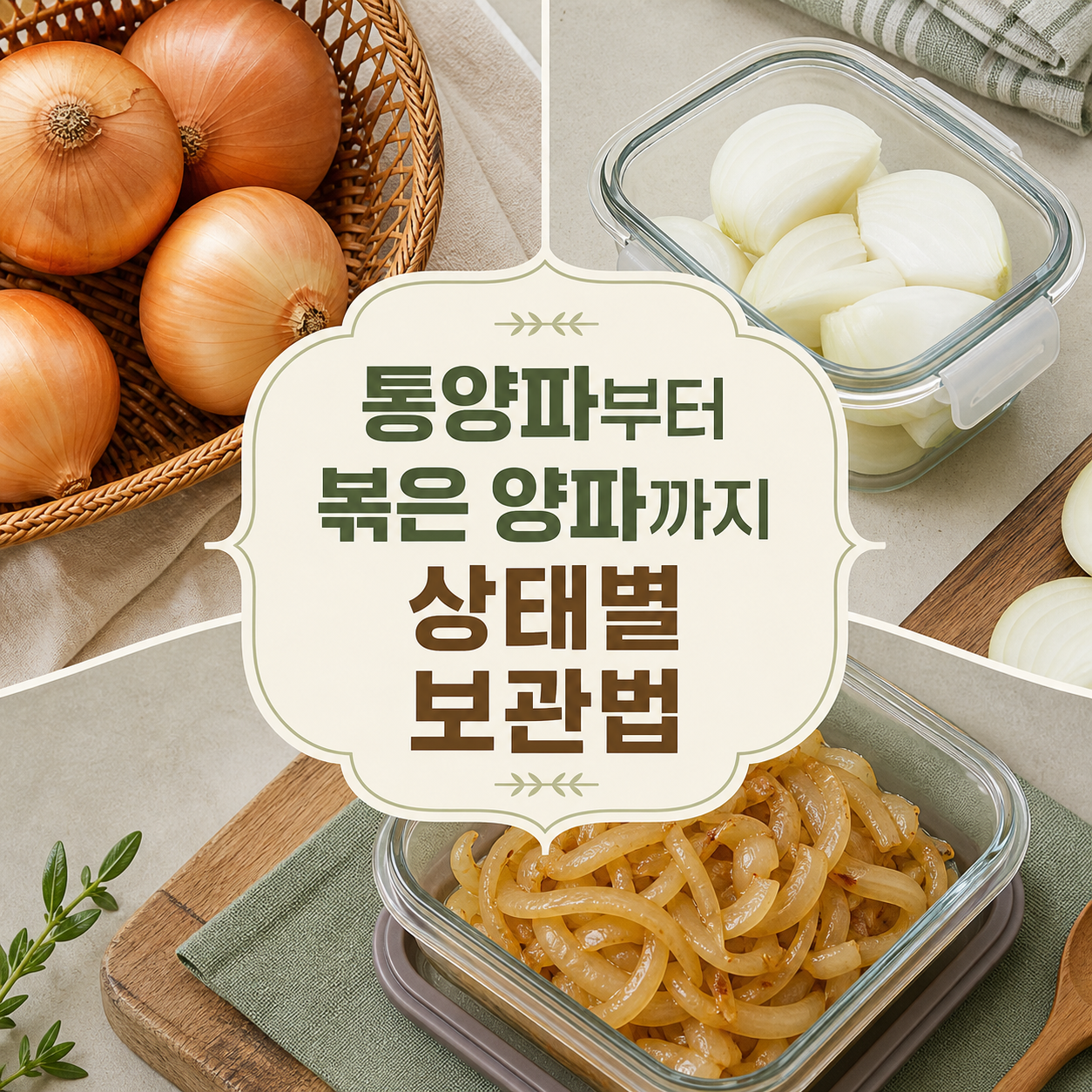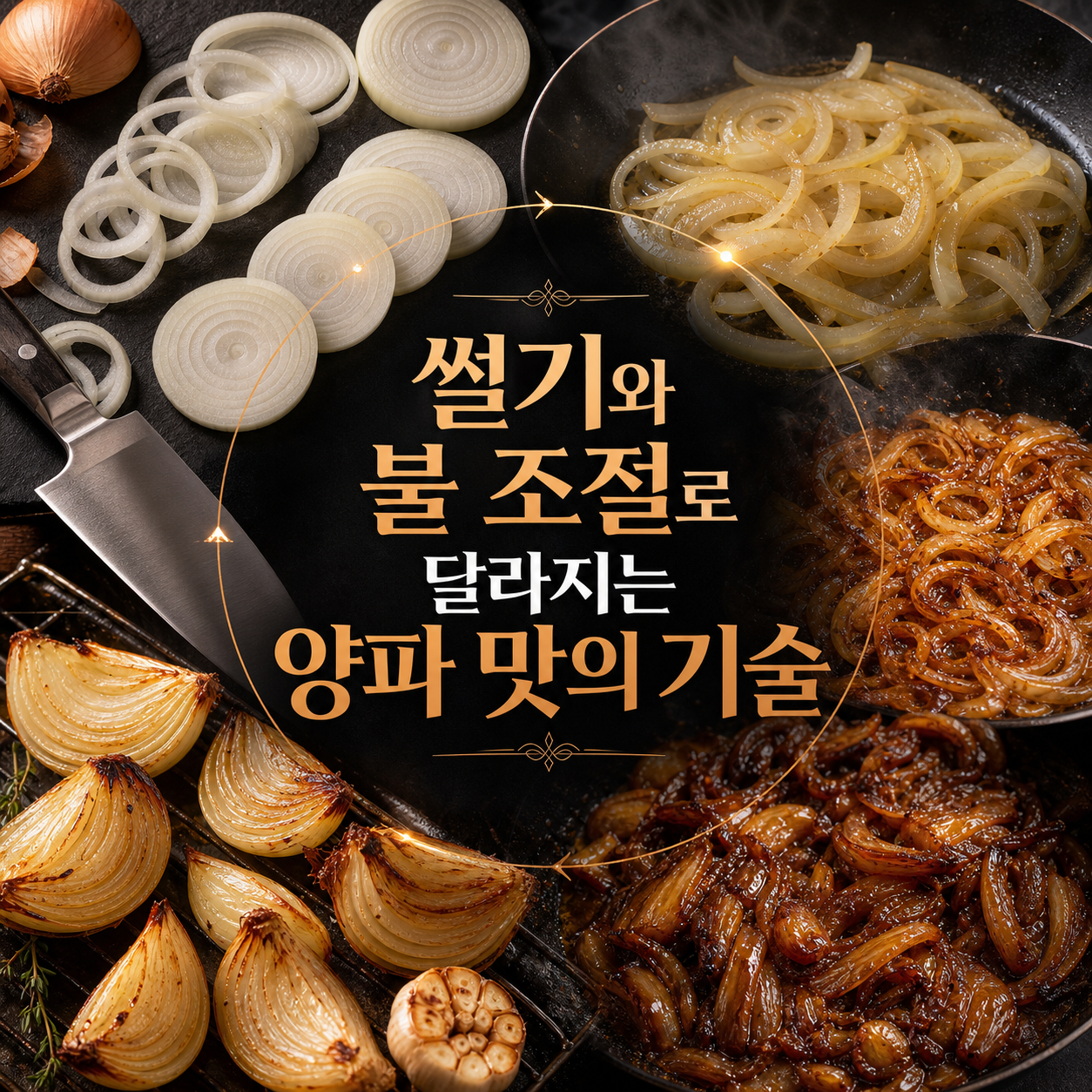
Great onion cooking starts with deciding what dish you're making, then choosing the cutting and heat technique that matches it.
Onions are the most common ingredient in any kitchen, yet how you cut and cook one changes its flavor completely. Decide first whether it's going in raw, cooked, dissolved into a soup, or melted into a sauce, and choosing the matching technique pulls noticeably more flavor out of the same onion. These ten techniques cover everything from cutting methods that cut down on tears to heat control, organized so you can pick what fits your dish.
You don't need to memorize all ten. Start by fixing the one or two frustrations you run into most often. The same onion turns out completely differently depending on how you cut it and what temperature you cook it at — and after a few tries, the right choice starts to feel obvious.
Chill It Before Cutting
Cut the Root End Last
Slice With the Grain
Slice Against the Grain
Rinse Briefly in Cold Water, Then Squeeze
Draw Out Moisture With Salt
Sweat It Slowly Over Low Heat
Deeply Brown It Over High Heat
Grill It in Thick Rings for Contrast
Time the Acid to Control Texture
Frequently asked questions
What's the most reliable way to stop onions from making me cry?
Chilling the onion in the fridge for about 30 minutes before cutting is the simplest, most effective method — it slows the release of irritant compounds. Cutting in a well-ventilated space and using a sharp knife also help.
Which direction should I cut onions for curry or soup?
Slice across the grain. It softens the tissue faster and releases juice more readily, which suits dishes where the onion is meant to melt in.
Why does browning onions take so long — is there a faster way?
Deep caramelization needs all the moisture driven off and sustained heat over time, so there's no real shortcut. Sugar or baking soda can speed up the color, but often at the cost of a heavier or slightly burnt taste — cooking low and slow is still the better trade-off.