TOP 10

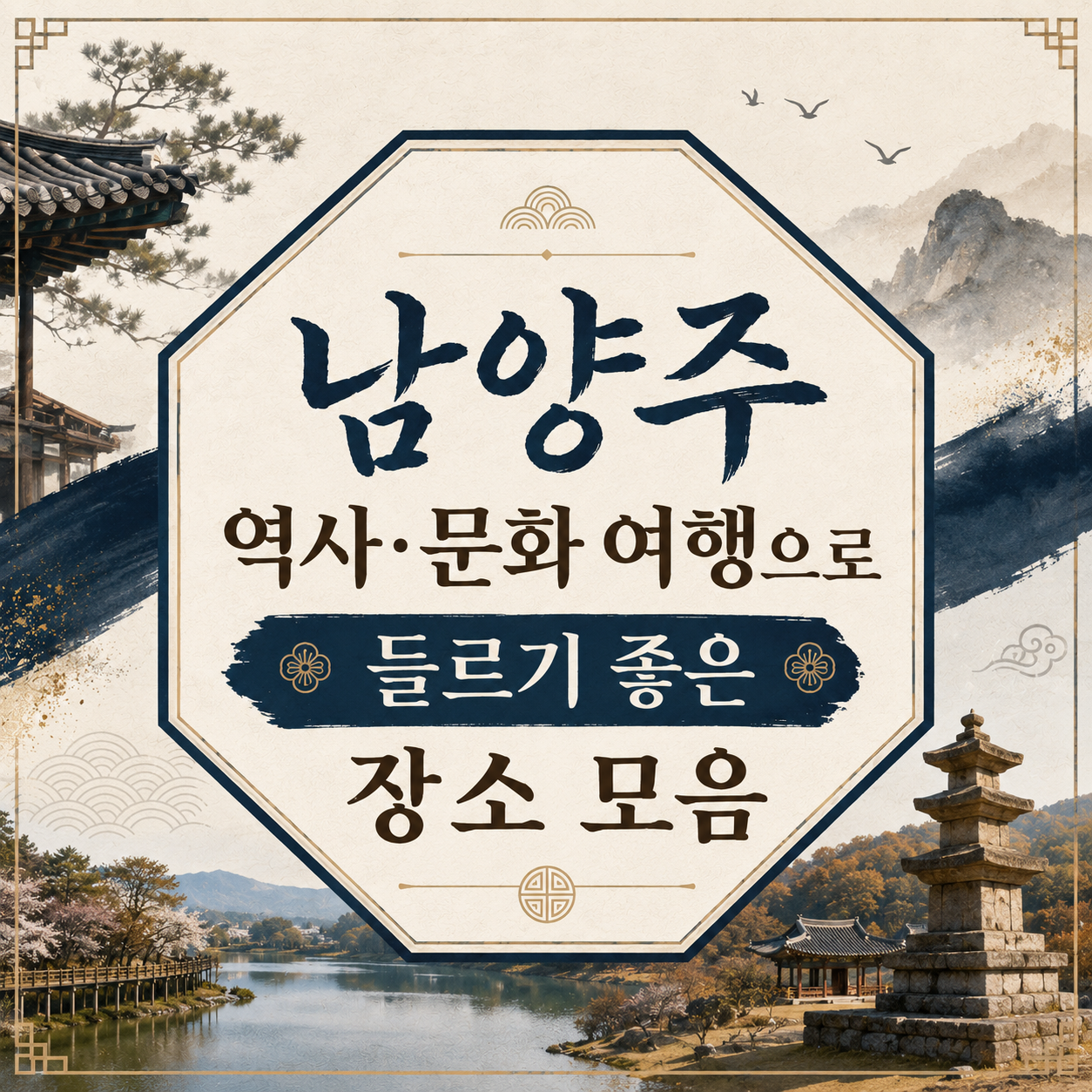
Where to Go in Namyangju for History and Culture

Updated 8/30/2026
Where to Go in Namyangju for History and Culture

From Dasan Jeong Yak-yong's historic home to Joseon royal tombs and centuries-old temples, here's where to walk through Namyangju's history and culture.

Namyangju is often described mainly for its rivers and mountains, but the city also holds Joseon-era royal tombs, traces of the Silhak scholarly movement, centuries-old temples, and the fading imprint of an old railway line. Building a day around the scholar Dasan Jeong Yak-yong makes it easier to plan a coherent route.

This list gathers spots in Namyangju worth visiting for their history and culture. Most reward a slow walk and a bit of reading along the way, which makes them well suited to a trip with parents, a history outing with kids, or a quiet day alone.

01

Dasan Jeong Yak-yong Historic Site

This is where the Joseon-era scholar Dasan Jeong Yak-yong was born and later returned to live out his final years, and it includes both his birth house, Yeoyudang, and his tomb. Most visitors start at the exhibit hall to get a sense of his life and ideas before walking to the tomb grounds. It sits close enough to the Silhak Museum that the two are usually visited together.
02

Silhak Museum

This museum traces the Silhak movement — the practical scholarship that flourished in late Joseon — through its exhibits on the era's leading thinkers. It's within walking distance of the Jeong Yak-yong historic site, so the two are often combined into one visit. Continuing on to Dasan Ecological Park afterward makes for a natural extension of the walk.
03

Hongneung and Yureung

This is the resting place of Emperor Gojong and Emperor Sunjong, built in the style of an imperial tomb rather than a standard Joseon royal tomb, which gives it a noticeably different feel from the others on this list. The scale and formality of the burial grounds reflect the short-lived Korean Empire period. Hours and closed days are set, so it's worth checking before heading over.
04

Gwangneung

This tomb holds King Sejo and Queen Jeonghui, set within the quiet expanse of Gwangneung Forest. Walking the tomb grounds and the surrounding forest path gives a good sense of the restrained, deliberate landscaping typical of Joseon royal tombs. It's commonly paired with a visit to the nearby Korea National Arboretum.
05

Bongseonsa Temple

This centuries-old temple sits near Gwangneung, close enough that a forest walk often leads straight to it. Its large halls and quiet grounds fit naturally into a history-and-culture route through northern Namyangju. As with any active temple, it's worth keeping the visit quiet and respectful.
06

Sujongsa Temple

Perched high on the slopes of Ungilsan, this temple's main draw is the view — a wide look out over the Bukhan River and the Dumulmeori confluence area. Reaching it involves a climb, so it's worth gauging how much walking feels manageable beforehand. Sitting with tea while looking out over the river is the main reason people make the trip up.
07

Namyangju City Museum

This indoor museum covers local history and artifacts specific to Namyangju, making it a good option regardless of weather. Because its focus is regional, it helps tie together the broader history encountered at the Jeong Yak-yong site or the royal tombs into a clearer picture of the area itself.
08

Neungnae Station (Disused)

This former train station stopped operating years ago and is now woven into the surrounding bike path, giving visitors a low-key glimpse of Namyangju's more recent past. The old station building and remaining rail traces make for good photos, and it's close enough to the Jeong Yak-yong site to add on as a short stop.
09

Dasan Jeong Yak-yong Library

This public library in the Dasan new town district takes its name from the scholar and keeps a collection related to Silhak and his work. It works well as an indoor stop to escape the heat or cold after a morning spent at outdoor sites.
10

Myojeoksa Temple

Tucked away in Namyangju's Wabu-eup area, this quiet mountain temple draws far fewer visitors than the bigger-name sites, which suits anyone looking for a calmer stop. The approach road and parking aren't as developed as at larger temples, so it's worth checking the access route ahead of time if driving.

Frequently asked questions

Can all of Namyangju's history sites be covered in one day?

Not comfortably — the sites are spread out. Pairing nearby ones, like the Jeong Yak-yong site with the Silhak Museum, and saving the tombs or temples for a separate day makes for a more relaxed visit.

Which spots work well with kids?

The Jeong Yak-yong historic site and the Namyangju City Museum both have accessible exhibits for introducing kids to local history. It helps to focus on one or two figures or events rather than trying to cover everything at once.

What should I check before visiting a tomb or museum here?

Opening hours and closed days vary by site, so it's worth checking ahead. Roads around Paldang and Joan-myeon can get congested on weekends, so building in extra travel time helps too.

NEWSLETTER

Get new lists before anyone else

Once a week — only the new lists worth your time.

No spam · unsubscribe in one click
This page contains affiliate links. We may earn a commission from qualifying purchases.
Namyangju History and Culture Travel Spots | Golladream