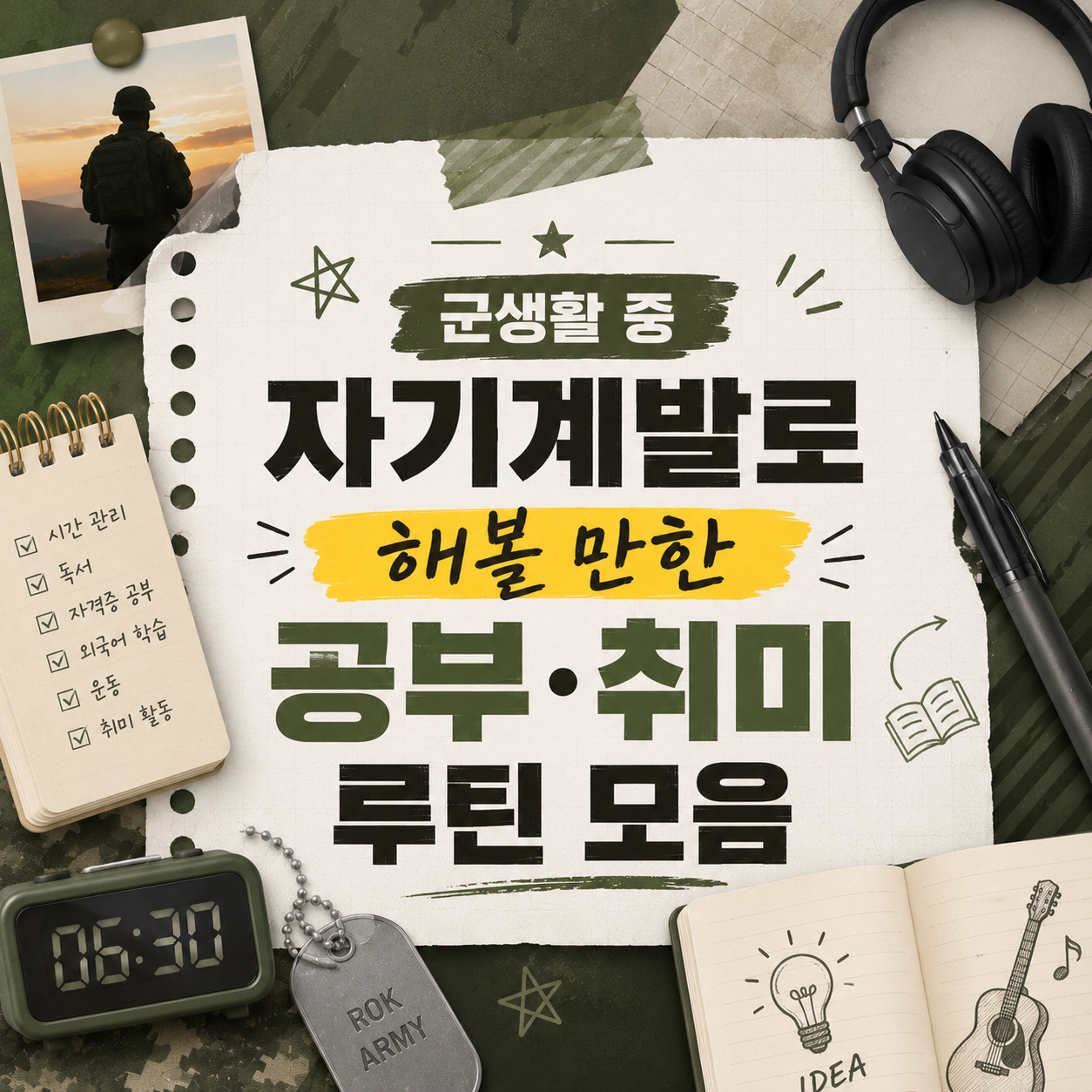
Small, low-pressure routines — twenty minutes of reading, five practice questions a day — tend to stick better during service than ambitious plans, and this list rounds up ideas that fit that mold.
Plenty of conscripts plan to use their service time productively, but duty schedules, training, fatigue, and limited free time often get in the way of the original plan. Setting a smaller, more forgiving goal tends to work better than an ambitious one that falls apart after the first busy week.
This list gathers routine ideas that can be picked one or two at a time depending on how much free time is actually available. Anyone heading straight into job hunting or re-enrolling in school after discharge might lean toward the study-focused routines, while those wanting to build fitness and structure can start with the workout and journaling ones.
Twenty Minutes of Reading a Day
Five Practice Questions a Day
Ten Vocabulary Words a Day
Tracking Workouts
Checking Savings on Payday
A Short Service Journal
One Online Course Chapter at a Time
A Monthly Check-In on Post-Discharge Plans
Frequently asked questions
What's the best way to start a self-development routine during service?
Start smaller than feels necessary — twenty minutes of reading or ten new vocabulary words a day is easier to sustain than an ambitious study plan. Scale the goal down during heavy training weeks and back up when there's more free time.
Are there routines that actually help with job hunting after discharge?
Working through a handful of practice exam questions daily and keeping a short service journal both help. The journal in particular becomes useful material when writing a resume or cover letter later.
Does managing money count as self-development?
Yes. Checking that automatic savings transfers went through and tracking an emergency fund on each payday builds a more stable financial position after discharge.
Get new lists before anyone else
Once a week — only the new lists worth your time.
No spam · unsubscribe in one click
You may also like

8 Fitness and Habit Routines to Prep Before Enlisting
Eight low-risk routines — sleep, walking, basic strength moves, and packing habits — worth building in the weeks before starting military training.

Don't Confuse It With Memorial Day: How to Fly the Flag on Liberation Day
From flush-mounted flags to disposing of a damaged one—the official rules, applied to real apartments and houses.