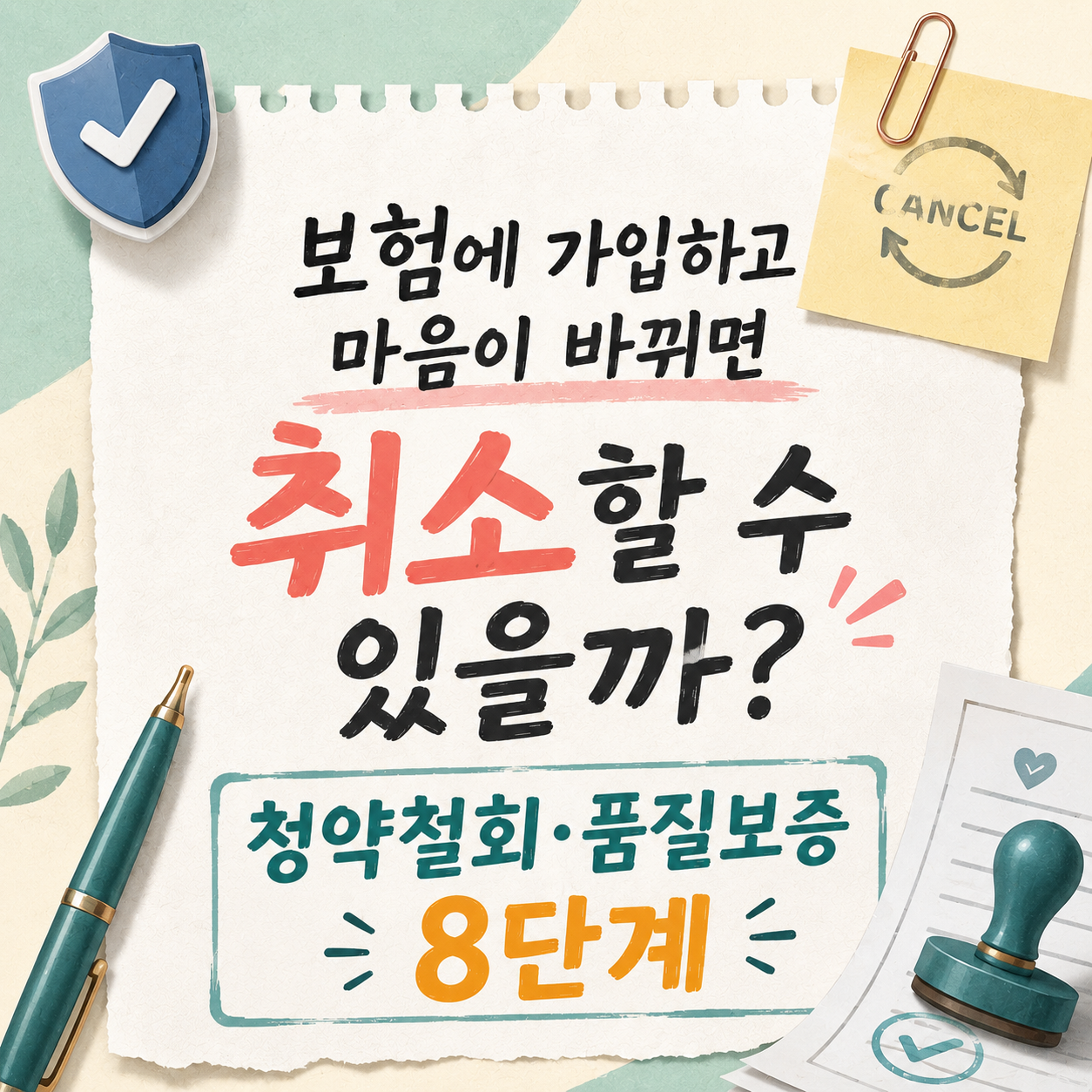
Before you count down the cancellation deadline, verify you received the paperwork, got a proper explanation, and signed it yourself.
Buyer's remorse after signing an insurance policy is common, and so is the discovery, weeks later, that nobody explained a key clause. The withdrawal period and the separate "quality guarantee" path both exist for this, but most people start by counting days when the real question is whether you actually received your paperwork, were properly informed, and signed it yourself.
This list is built to walk through what to check before you call the insurer angry. Steps 1 and 2 settle the date and eligibility. Steps 3 and 4 cover filing the withdrawal and verifying the refund. Steps 5 through 7 cover cases — undelivered documents, missing disclosures, a forged signature — that can still be challenged even after the standard window closes. Step 8 is what to do if the insurer's answer doesn't settle it.
How We Picked
- Ordered around the facts that actually get disputed — document delivery and disclosure — rather than date math alone.
- Prioritized steps that leave a paper trail (written, app-based, or email) over verbal confirmation.
- Left out any insurer or product recommendation; every step applies regardless of policy type.
Pin Down Your Application and Policy-Delivery Dates

Confirm in Writing Whether Your Policy Even Qualifies

Leave a Paper Trail When You Actually Withdraw

Verify the Refund Actually Landed

Check Whether You Actually Received the Policy Terms

Log Exactly What Wasn't Explained, and When

Make Sure the Signature Is Actually Yours

Escalate Through Official Channels If the Insurer's Answer Falls Short

How to Use This, By Situation
If you just changed your mind and you're still within the window, steps 1 and 2 are all you need. If your refund is late after filing, revisit steps 3 and 4.
If the window has passed but you never got your documents or a proper explanation, steps 5 through 7 help you build a case, and step 8 covers what comes next if the insurer's answer isn't enough.
This guide reflects information gathered as of September 2026 and rules can change, so confirm the details against your policy terms and official regulator guidance before you file anything.
Frequently asked questions
If the cooling-off window has passed, is cancellation off the table?
Once the standard window closes, a no-reason withdrawal usually isn't available, but a separate path can still exist if you never received your policy documents or weren't properly informed about key terms. Ask your insurer in writing whether your situation qualifies before assuming either way.
I told my agent by phone I wanted to cancel — why do I need to file again?
A verbal request leaves no trail, which makes it hard to prove later that you asked in time. Resubmit through the company's official app, website, or a written channel so you get a reference number and can follow up if nothing happens.
How long does a premium refund actually take?
There's no single timeline — it depends on the product and how you originally paid. Check the confirmation you received when you filed, then verify against your bank or card statement, and follow up with the insurer directly if the refund doesn't show up when expected.
What's the difference between the quality guarantee and standard withdrawal?
Standard withdrawal lets you cancel within a set window for any reason. The quality guarantee is a separate path for cases where the sales process itself was flawed — undelivered documents or a disclosure failure — and it can still apply after the standard window closes. Ask your insurer in writing which one fits your case.
What should I do if the signature on my policy doesn't look like mine?
Request the original signature or the electronic signing record from the insurer and compare it against your ID. Preserve any evidence of possible forgery exactly as it is rather than altering it, and consider escalating to a regulator's dispute-resolution process if needed.
Get new lists before anyone else
Once a week — only the new lists worth your time.
No spam · unsubscribe in one click
You may also like

Before You Cancel a Policy Over Premiums, 8 Alternatives Worth a Call
When premiums feel like too much, comparing the loss from cancelling against the cost of keeping a policy first, then working through reduction, holds, or loans, is the safer approach.

The Insurance Payout You Forgot You Had — An 8-Step Search
Official lookup tools can surface unclaimed or dormant insurance benefits under your name in Korea — here's how to search, verify, and actually file a claim.

The Insurance a Family Member Left Behind Is Easy to Miss Without This Order
From death report paperwork to the one-stop inheritance search and Korea's hidden-payout lookup, here are 8 steps in the order they actually go.
Your Claim Was Denied — Here's How Not to Just Accept It
Get the written denial and the cited policy clause first, then work through company reappeal and loss adjustment before filing a formal dispute — a documented process beats an emotional protest.