TOP 10

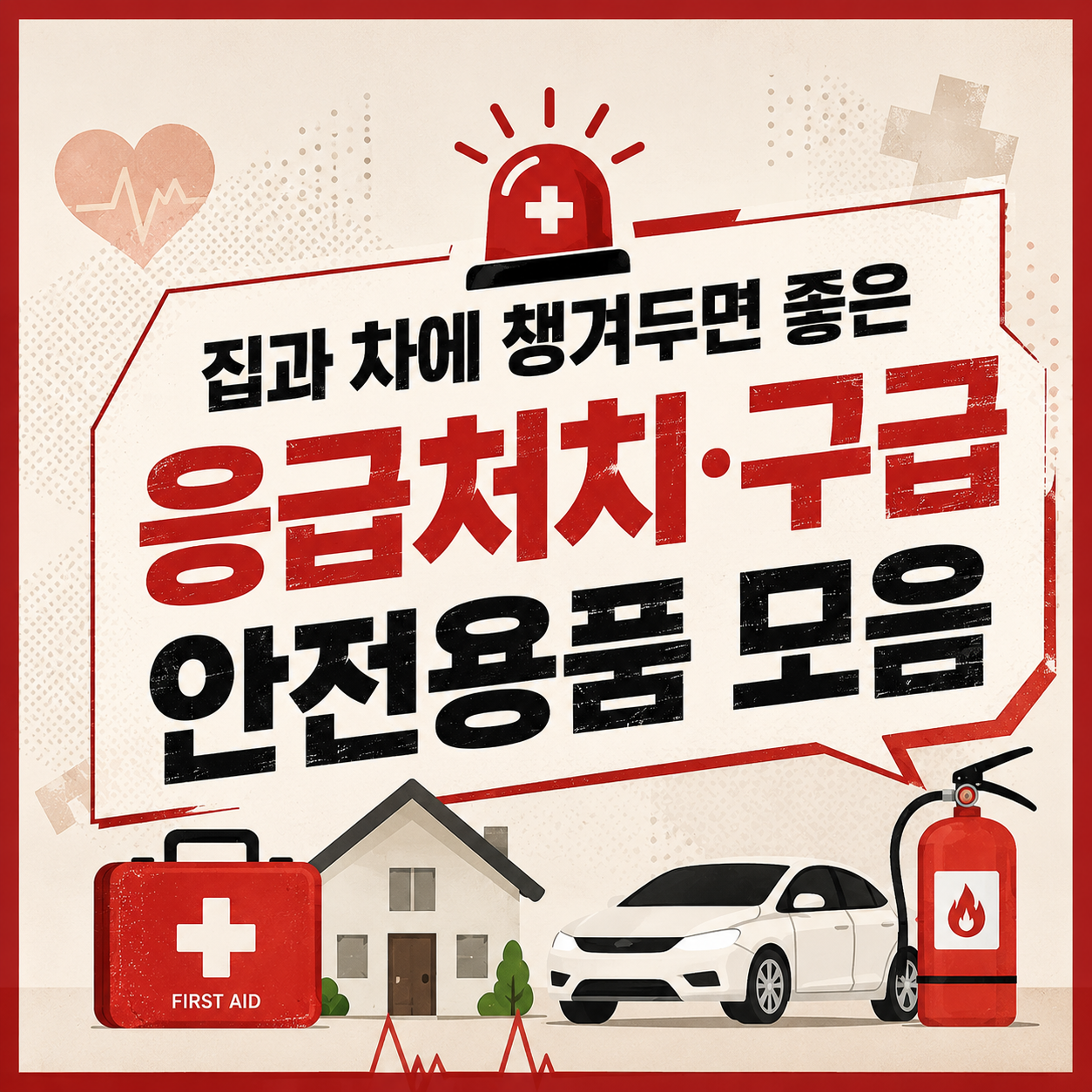
10 First-Aid and Emergency Items Worth Keeping at Home and in the Car

Updated 8/30/2026
10 First-Aid and Emergency Items Worth Keeping at Home and in the Car

First-aid supplies are meant to keep a situation from getting worse until you reach a hospital or emergency services, and for serious emergencies, calling for help always comes first.

Injuries and sudden discomfort rarely come with a warning. Some situations, like a small cut or a minor burn, call for basic first aid right away, while others, like a roadside incident or feeling unwell on a hike, happen somewhere help isn't immediately at hand. A first-aid kit isn't something you buy once and forget — it's safety equipment worth checking regularly and adjusting to your household and routine.

Below is a list of first-aid and emergency items worth keeping at home, in the car, or in a camping bag. This list isn't meant to walk you through medical treatment — it's meant to introduce items that help keep a situation from getting worse until you can reach a hospital or emergency services. For anything serious, like a loss of consciousness, heavy bleeding, or trouble breathing, calling emergency services comes before reaching for any of these items.

01

Home First-Aid Kit

A ready-made set covering the basics — bandages, gauze, wrap, antiseptic wipes, scissors, and tweezers. Keeping one at home and restocking it based on your household's needs saves time when you actually need it. Type: first-aid set / What to check: contents list and case size
02

Sterile Gauze and Elastic Wrap

Basic supplies for temporarily covering and protecting a wound. Having gauze in a few sizes along with a wrap that can apply light pressure covers a wider range of situations. Type: wound care / What to check: sterile packaging and size range
03

Assorted Adhesive Bandages

For small cuts and scrapes, a mix of bandage sizes gets used the most. A pack with shapes suited to different spots — fingers, knees, heels — tends to be the most practical. Type: bandages / What to check: waterproofing and size variety
04

Wound Antiseptic

Used to keep the area around a wound clean. Spray or individually packaged versions are easy to use and pack well, which makes them convenient for a car or camping bag. Type: antiseptic / What to check: portability and ease of use
05

Burn Relief Gel

A gel used to cool and protect a minor burn. Worth keeping one on hand in a kitchen, campsite, or anywhere hot surfaces come up often. For a large burn area or severe pain, seeing a doctor is safer than treating it yourself. Type: burn care / What to check: cooling effect and individual packaging
06

Digital Thermometer

A basic tool for quickly checking a fever. It's especially useful in households with kids or during periods when illness is going around, so accuracy and ease of use matter. Type: measuring device / What to check: measurement method and accuracy
07

Instant Cold Packs

Used for cooling down a sprain, bruise, or swelling. Keeping both an instant-activate pack and a reusable gel pack on hand covers both a spontaneous need and repeated use after exercise or outdoor activity. Type: cold therapy / What to check: portable or reusable design
08

Portable CPR Face Shield

A barrier that reduces direct contact between a rescuer and a patient. Owning this is separate from actually knowing how to perform CPR — the correct procedure is best learned through hands-on training from a recognized organization, such as a fire department or Red Cross course. Type: rescue accessory / What to check: portability and whether you've completed formal training
09

Roadside Warning Triangle

A must-have for alerting approaching traffic during a roadside breakdown or accident. Worth checking that the reflective material is visible at night and that it stays upright once set up. Type: vehicle emergency gear / What to check: reflective visibility and stability
10

Emergency Thermal Blanket

A foil-style blanket used to prevent heat loss and wrap around the body in an emergency. Its small, packable size makes it an easy addition to a hiking bag, camping gear, or a car's emergency kit. Type: thermal emergency gear / What to check: light weight and wind resistance

Frequently asked questions

Is a first-aid kit enough to handle a real emergency on its own?

A first-aid kit is really meant to buy time until a hospital or emergency responders can take over, not to replace them. If someone is unconscious, bleeding heavily, or struggling to breathe, call emergency services immediately rather than trying to manage it with supplies alone.

Is owning CPR or AED gear enough on its own?

Keeping a face shield or similar item on hand is separate from actually knowing how to perform CPR or use an AED. The safest way to learn the real procedure is through hands-on training from a recognized organization, such as a local fire department or a Red Cross program, rather than following text or video instructions alone.

Is it okay to keep over-the-counter medicine in a first-aid kit?

You can keep basics like fever or pain relievers on hand, but dosing varies by person, so always follow the instructions printed on the packaging, and check with a pharmacist or doctor if you're ever unsure.

NEWSLETTER

Get new lists before anyone else

Once a week — only the new lists worth your time.

No spam · unsubscribe in one click

This page contains affiliate links. We may earn a commission from qualifying purchases.
10 First-Aid & Emergency Safety Items for Home and Car | Golladream