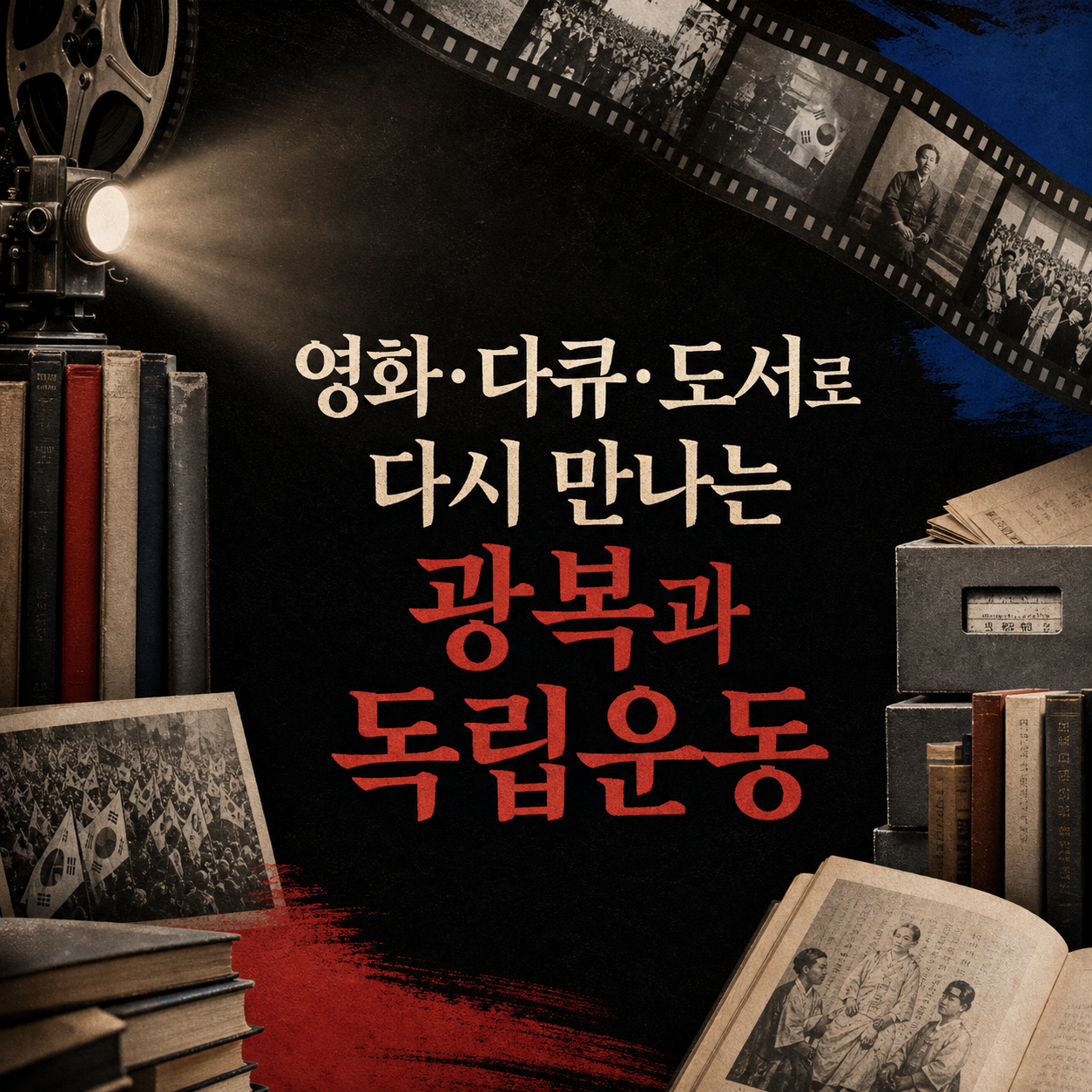
The gap between dramatic license and the historical record is the real story—learn to read both.
The most common confusion when picking a film or book about Korea's independence movement is treating dramatization and documented history as the same thing. A feature film compresses a person's convictions and conflicts into two hours of invented dialogue and reordered events, while a memoir or history book preserves an eyewitness voice or primary sources directly. Read both at the same level and you risk mistaking a screenwriter's invention for the historical record.
This list ranks works not by box-office success or literary polish, but by how traceable each one's events are to verifiable records, and how much material exists afterward to check what you just watched or read against. The order isn't strictly chronological—it also weighs viewing intensity and how accessible the follow-up sources are.
How this list was built
- Whether public archives (the Independence Hall of Korea, National Archives, e-gonghun records) exist to cross-check real figures and events
- Whether the description clearly separates dramatic invention from documented fact
- Scene intensity—torture, imprisonment—and age appropriateness
- A mix of media, eight films and two books, so the same era can be seen from more than one angle
If you want an easy entry point, start with #1; if you'd rather begin with a firsthand voice, jump to the memoir at #9.
Assassination (2015)
The Age of Shadows (2016)

Dongju: The Portrait of a Poet (2016)

Anarchist from Colony (2017)

Mal-Mo-E: The Secret Mission (2019)

The Battle: Roar to Victory (2019)
A Resistance (2019)
Hero (2022)

The Memoirs of Kim Gu (1947)
A History of Early Joseon (1931)
How to choose
If you're starting with little background, pick a film where the central event is clear-cut, like #1 Assassination or #6 The Battle: Roar to Victory. If you want to sit inside one person's convictions, go with #3 Dongju or the firsthand voice in #9 The Memoirs of Kim Gu. For a story most people haven't heard, start with #5 Mal-Mo-E or #7 A Resistance.
When comparing works, first check whether characters carry real historical names or are composites of several figures, then track down the institutions and documents named in the closing credits or bibliography. The details, ratings, and reference notes here reflect information available at the time of research and may change with re-releases or new editions.
Frequently asked questions
How do I choose an independence-era film to watch with my kids?
Ratings and intensity vary a lot from title to title—torture and imprisonment scenes especially—so preview a film yourself before deciding if it fits your child's age. Afterward, talk through what surprised them and look up related exhibits at an institution like the Independence Hall of Korea; that conversation is where the learning actually happens.
How closely do the characters match the real historical figures?
Even films based on real events tend to compress timelines, merge characters, and invent dialogue for effect. Comparing the film's version against the Korean Film Archive, the Independence Hall of Korea, or the National Archives' record of independence activities usually shows exactly where the liberties were taken.
Where should I start reading about this period?
A firsthand memoir is the best entry point—it grounds you in one person's actual choices before you widen out. From there, add scholarly histories covering the same events from other angles, plus institutional archives, which often hold photographs and documents that make the written record feel less abstract.
Should I start with the films or the books?
If you want the overall shape of events quickly, start with a film to get the people and setting, then move to a memoir or history book to nail down the details. If you'd rather anchor the facts first, read a firsthand account like #9 The Memoirs of Kim Gu before watching a film to add emotional context.
Are these ranked chronologically?
No. The order reflects how easy each work is to cross-check against documented sources and how intense the viewing experience is, not the year it was made or the events it covers. That's why #6, set in 1920s Manchuria, appears before works covering the 1940s.
Which edition of a book should I pick?
Older works like The Memoirs of Kim Gu exist in multiple editions with different levels of annotation, so compare a version that preserves the original text against one with modern commentary before choosing. A History of Early Joseon also varies significantly in footnote depth and interpretive framing between editions, so skim the introduction first.
Get new lists before anyone else
Once a week — only the new lists worth your time.
No spam · unsubscribe in one click
You may also like
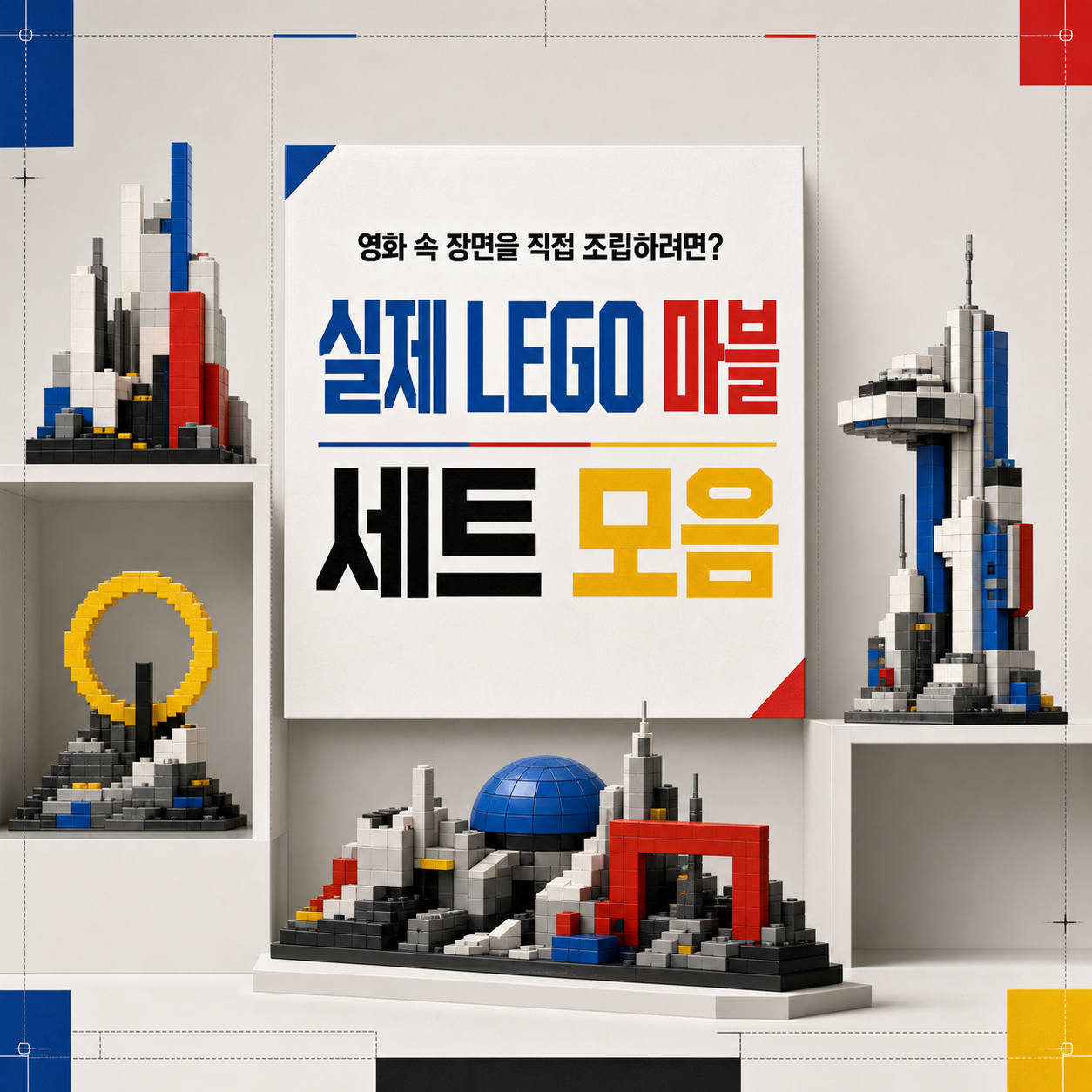
Check the Set Number First — 6 Real Marvel LEGO Sets You Can Actually Build
Six Marvel LEGO display sets sorted by set number, so you know which ones are still in stock and which are retired.

Not the Sidekick — 6 Marvel Women Whose Own Stories Take the Lead
Six Marvel women whose defining titles put their own goals and choices at the center, chosen title by title rather than by team roster.
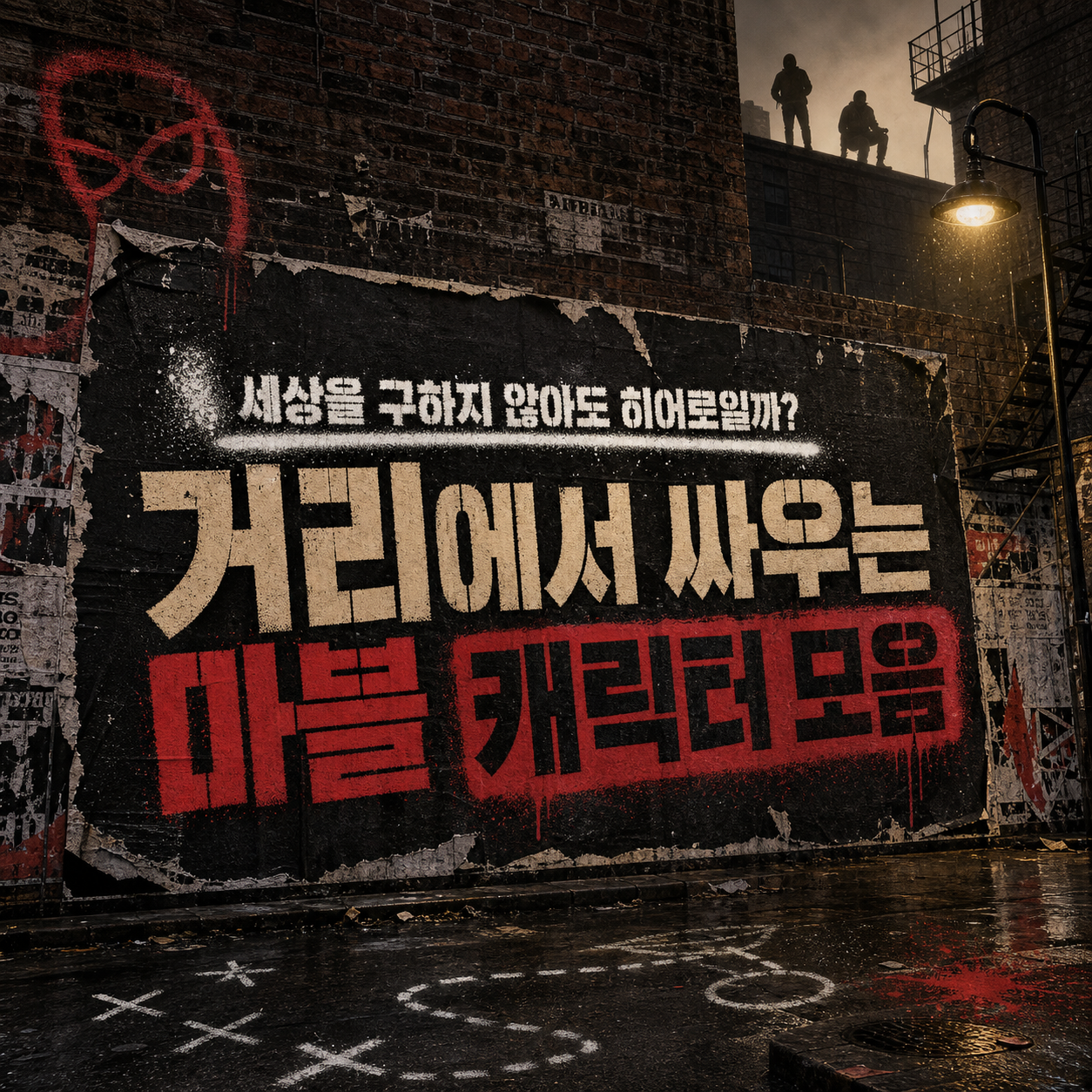
Marvel's Street-Level Heroes: 6 Who Protect the Block, Not the Galaxy
Six Marvel characters who fight in courtrooms and back alleys instead of outer space, ranked by how sharp the moral conflict gets.
Who's Carrying the Shield Now? 6 Marvel Legacy Characters
Six Marvel characters who inherited a legacy — a name, a weapon, a suit — ranked by what makes each one different.