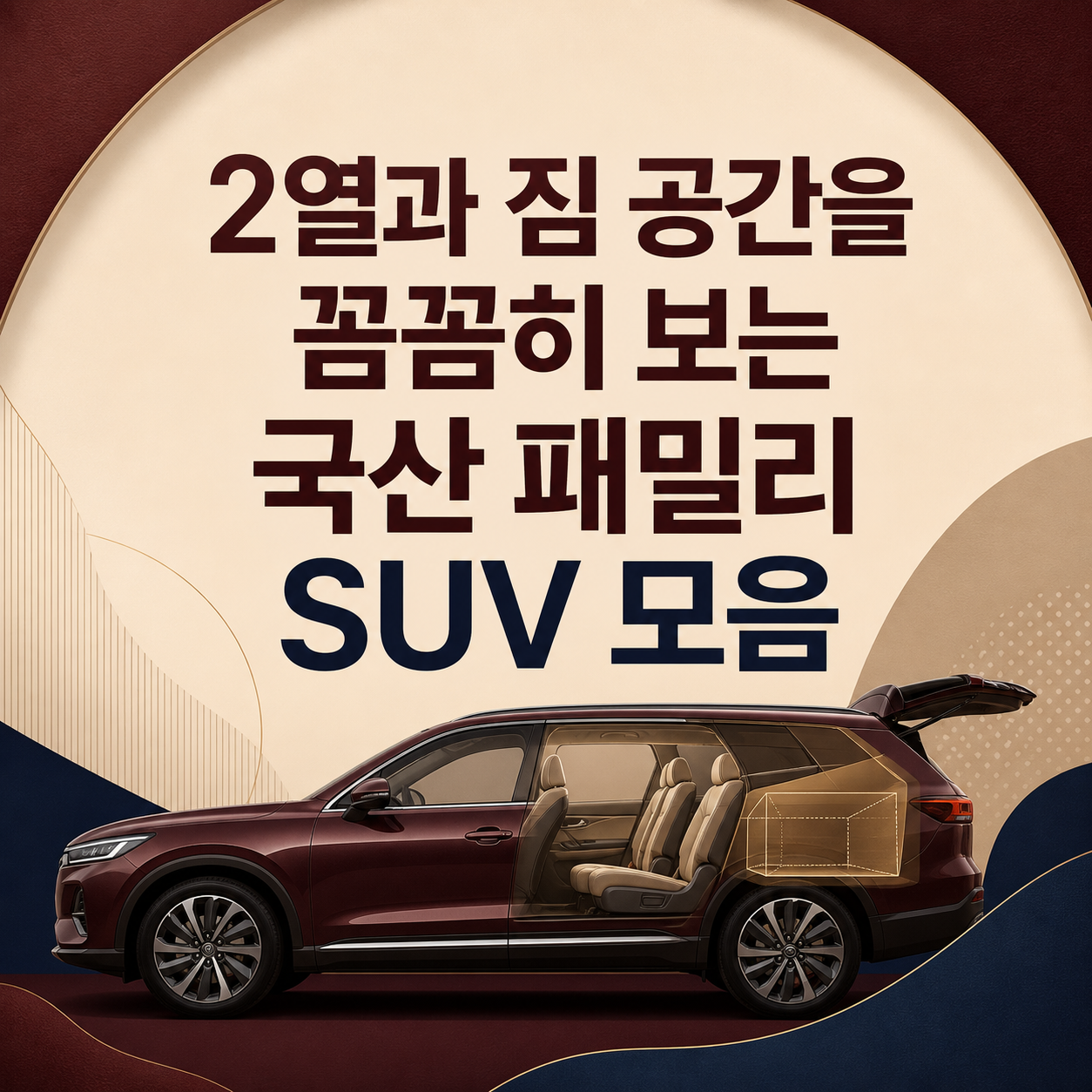
We reordered 13 Korean SUVs around the moments families actually deal with daily, from fitting a rear-facing car seat to loading a stroller and groceries in one trip.
Choosing an SUV comes down to daily moments, not horsepower on a spec sheet. Can you sit beside a rear-facing car seat without feeling squeezed? Does the back door swing open wide enough in a tight parking spot? Can you load a stroller and groceries in one trip? These small frictions add up over months.
How we ranked them
- Second-row entry and car-seat ease
- Real-world trunk usability
- Powertrain choice (gas, hybrid, EV, LPG)
- How easy the car is to park for its size
A third row doesn't always mean more comfort — some models lose nearly all trunk space once row three is up. A 5-seater with a roomy second row and deep trunk can be more useful day to day. If you drive three adults long distance often, start near the top; if you rarely need row three, focus on the 5-seat models. Specs shift over time, so confirm with the maker before signing (checked September 2026).
01
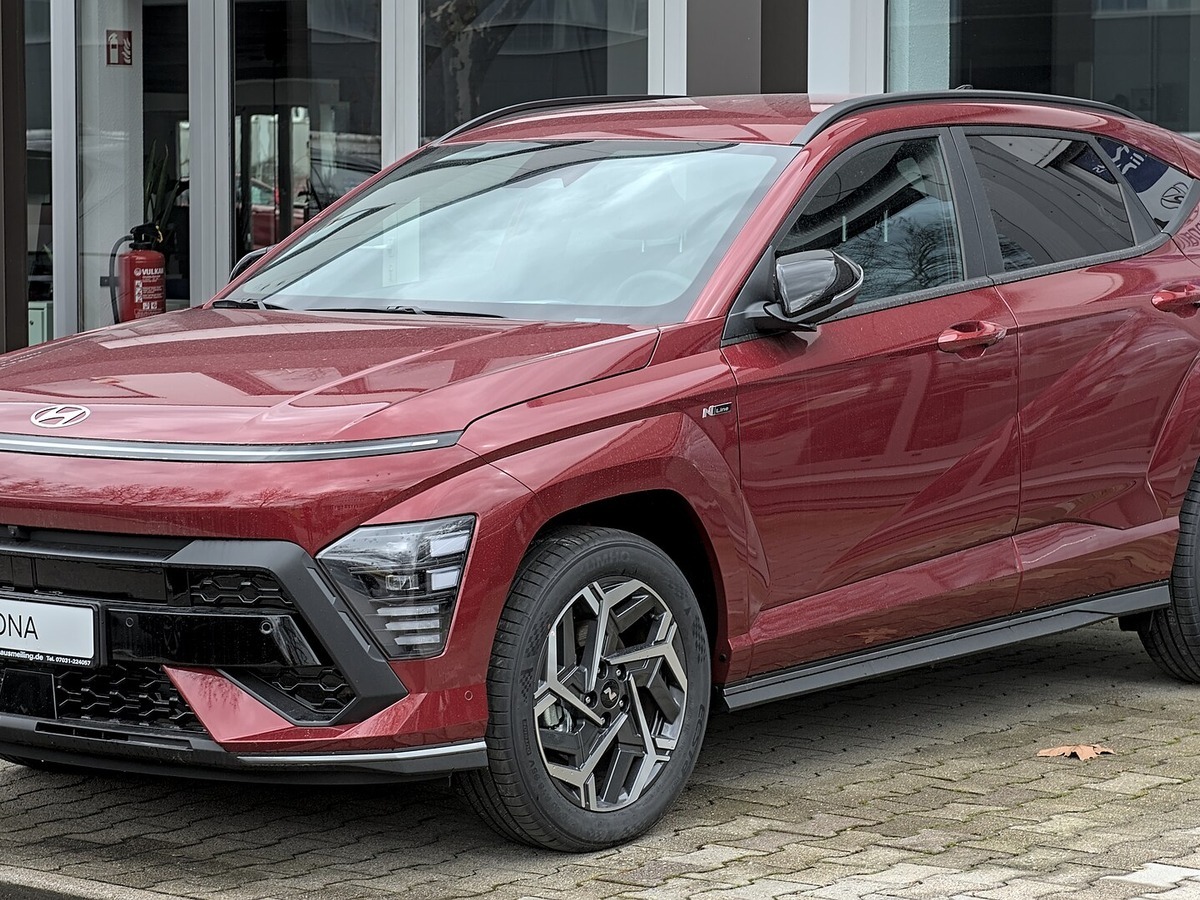
A compact SUV offered in gas, hybrid, and electric, the widest powertrain choice here. It's easy to handle in tight streets and mechanical parking, with solid fuel economy. Being the smallest, it also has the tightest second row and trunk of the thirteen, so a car seat can crowd the next seat — bring yours to the test drive. A low-pressure pick for a first SUV.

02
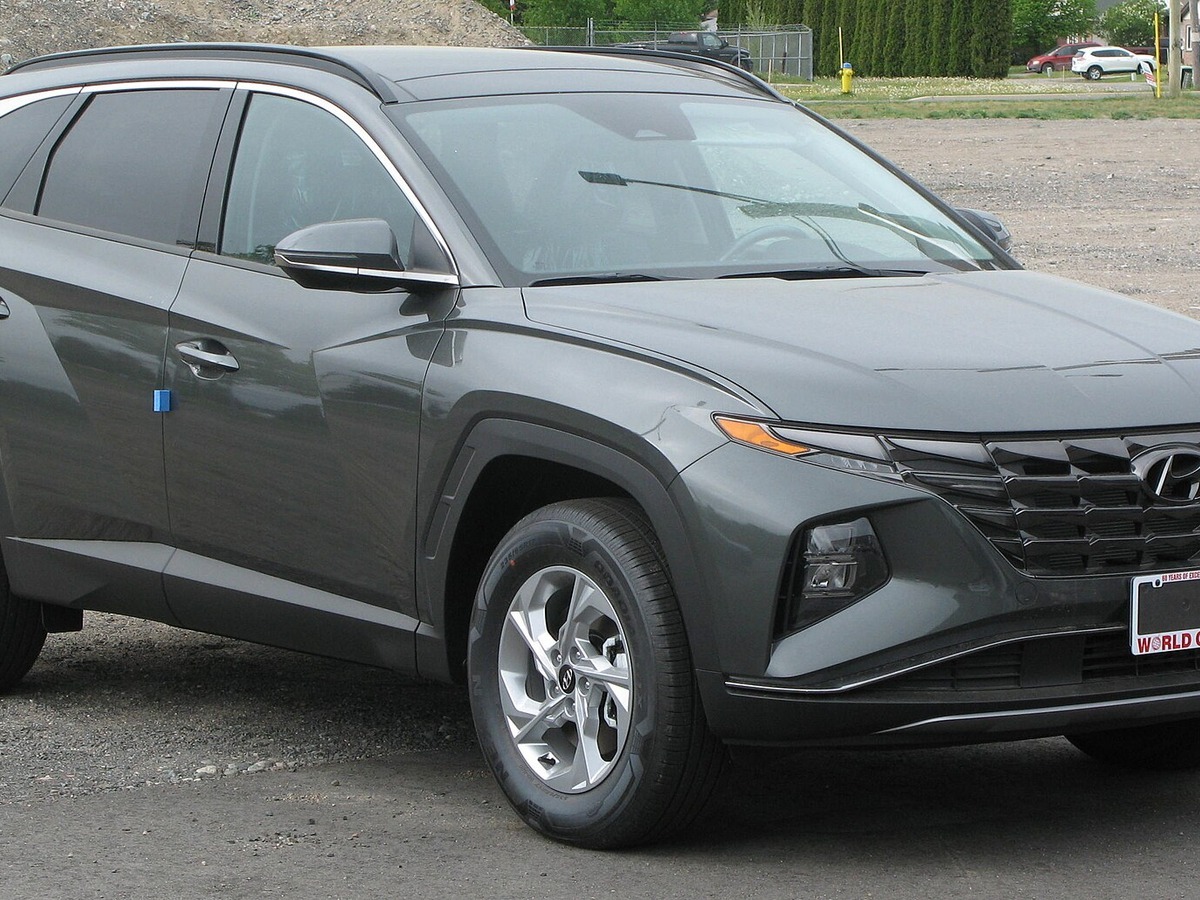
A compact SUV balancing second-row space and cargo room. Available in gas and hybrid, it fits most family routines without fuss. The trunk holds a stroller and groceries together, and its size stays approachable for newer drivers. One class up from the Kona and two below the Palisade — a low-risk pick when you want dependable over flashy.

03
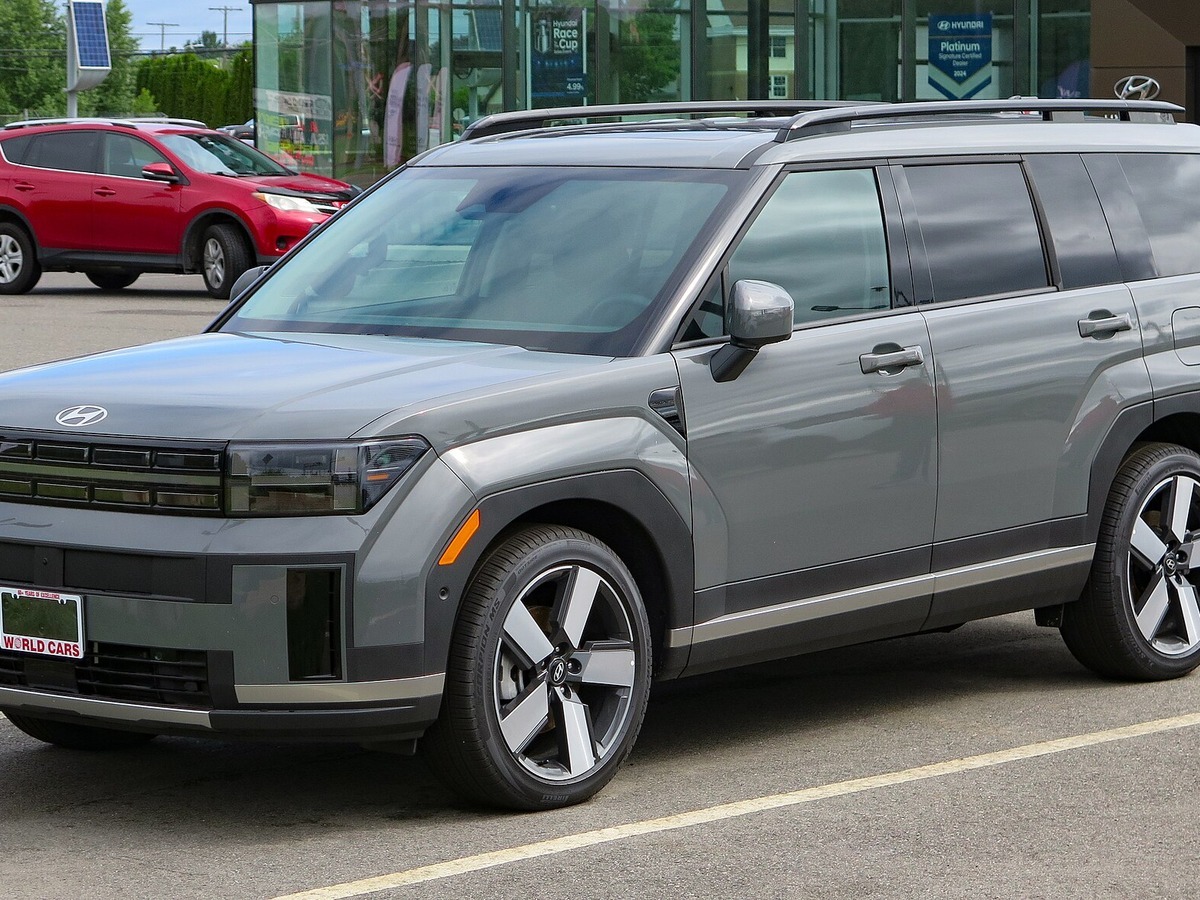
A midsize SUV with a wide tailgate and an optional third row. The second row suits family trips, and the 5-seat-only trim frees up more trunk depth than the Tucson. If your need for row three and for cargo space shifts by season, compare trims closely. Check the hybrid too if fuel economy matters to you.

04
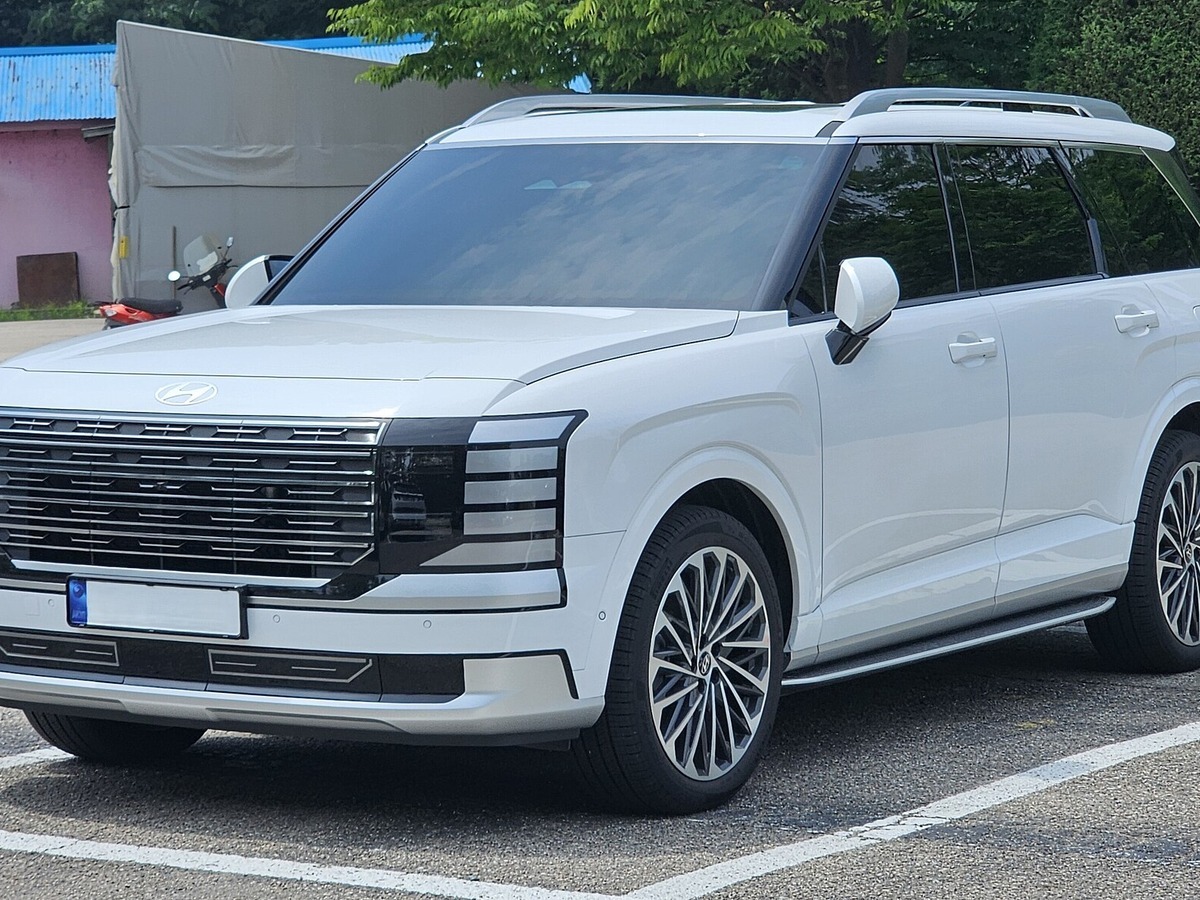
A large SUV built around a third row and long-distance comfort, with the roomiest second and third rows here. Climbing into row three is easier than in the Santa Fe, so families who bring grandparents along weekly may prefer it. It's tricky in tight alleys or mechanical parking, but suits families taking three-plus adults on long trips.

05
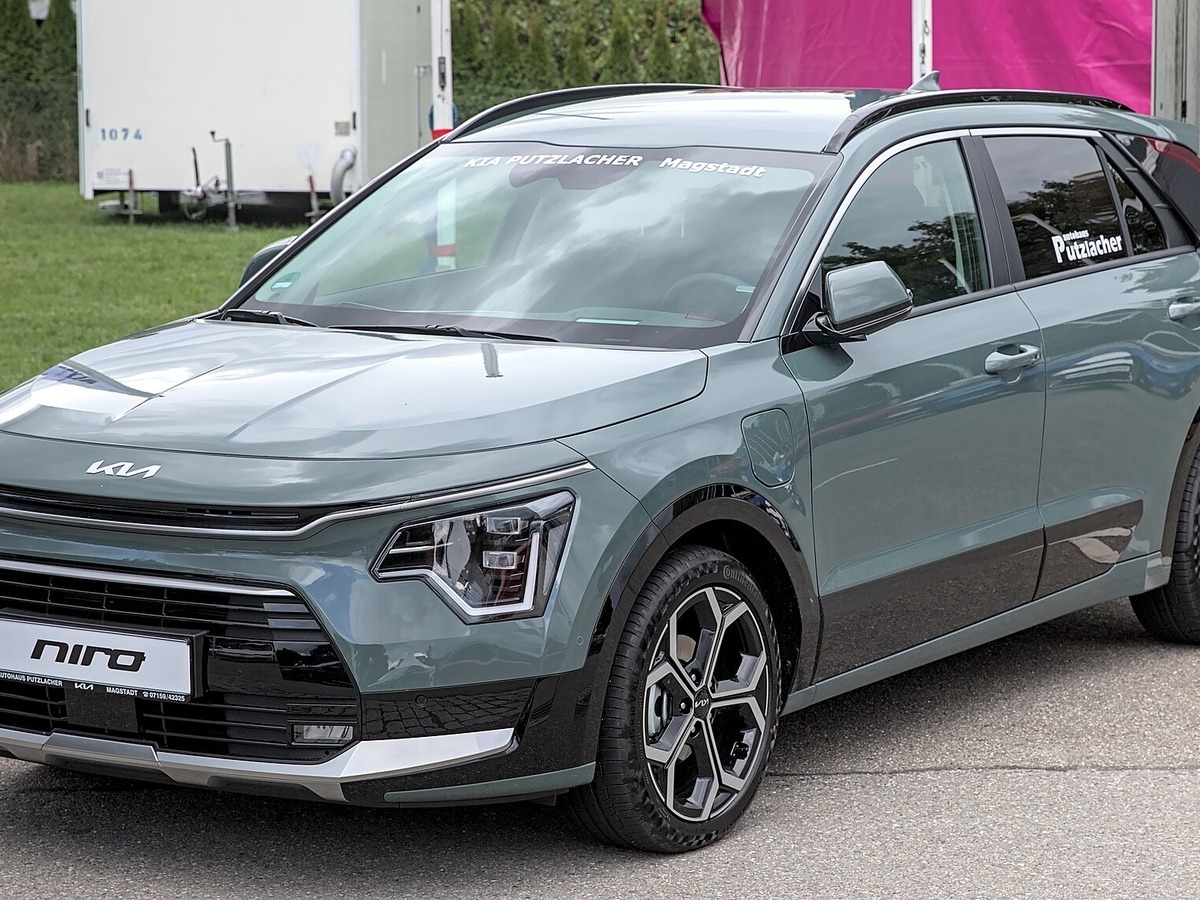
An efficiency-focused SUV built around hybrid and electric — the first to compare if fuel economy tops your list. Expect midsize second-row space with a compact-class trunk, better suited to commuting and school runs than heavy cargo. It's smaller than the hybrid Tucson or Sportage, so easier to handle in city traffic.

06
A compact SUV available in gas, LPG, and hybrid, tying the Kona for the widest powertrain range. Second-row comfort and trunk space are both solid, ranking it alongside the Tucson as a safe pick. The LPG trim can meaningfully cut fuel costs for families driving long distances daily — worth a look if fuel flexibility matters.

07
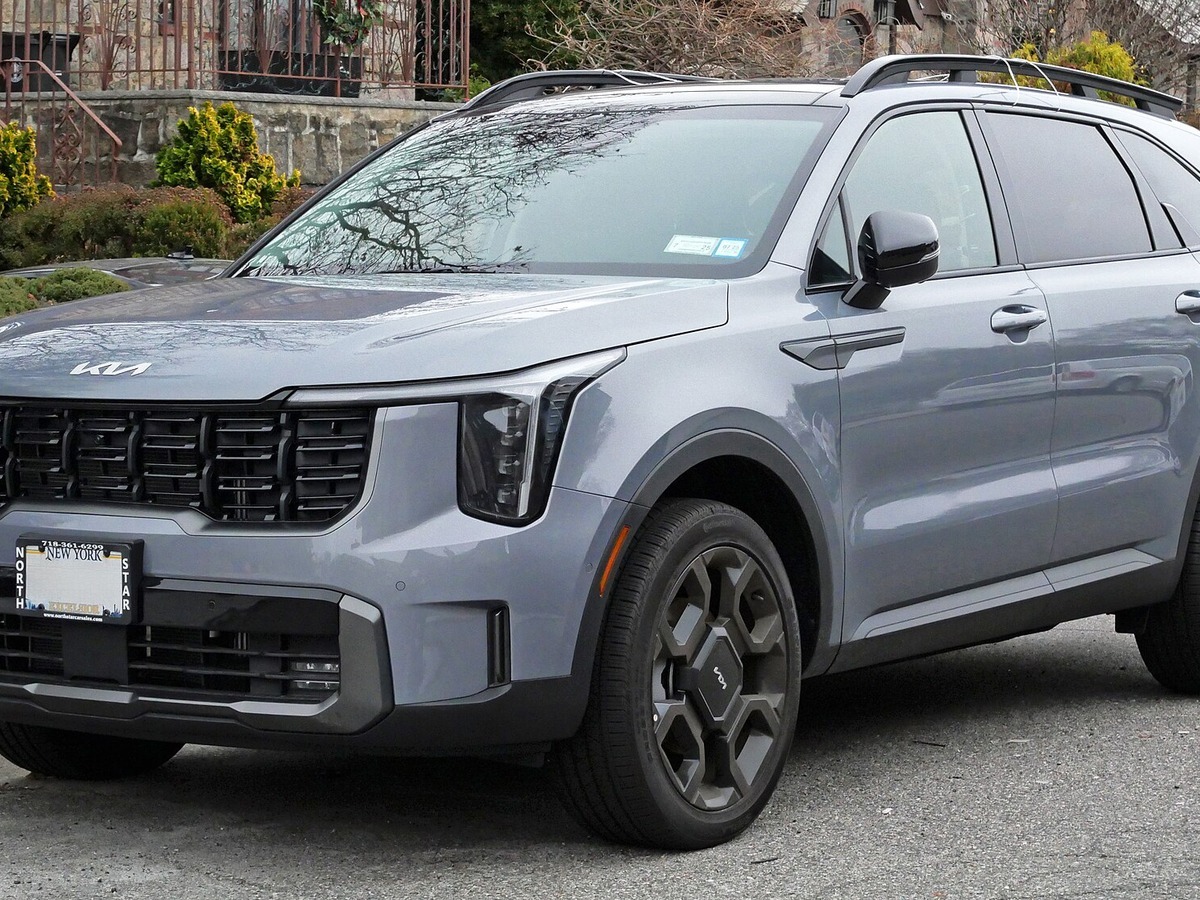
A midsize SUV with an optional third row, one class below the Palisade while adapting to different family sizes. Choose gas, diesel, or hybrid, a wider spread than the Santa Fe offers. The second row is roomy and row three works for short trips, balanced for families wanting some third-row flexibility without going full-size.

08
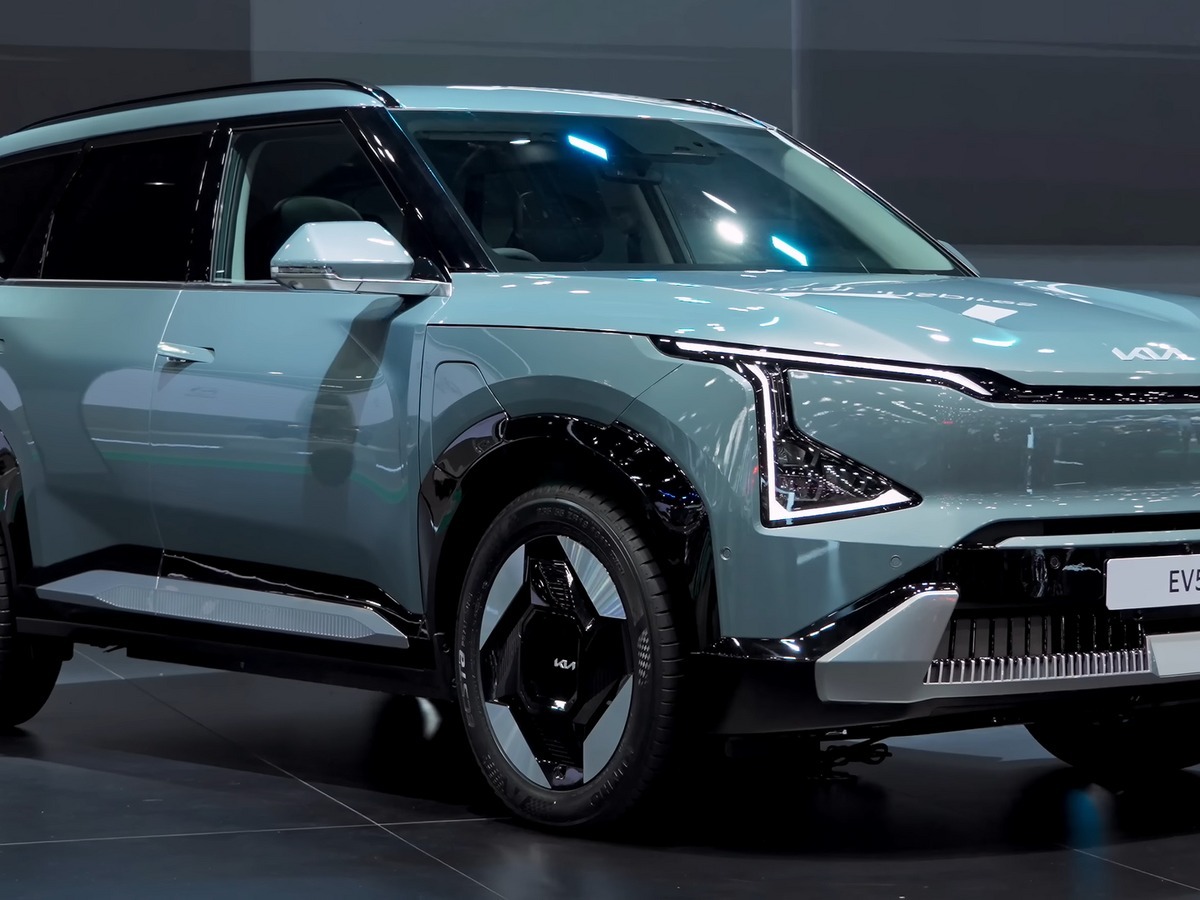
An electric SUV with a boxy, space-efficient cabin that packs unusual interior room into its footprint. Both the second row and trunk are generous. Running costs drop sharply with a home charger, making it a stronger value than the Niro for mostly short-distance driving — though limited charging access calls for a careful comparison.

09
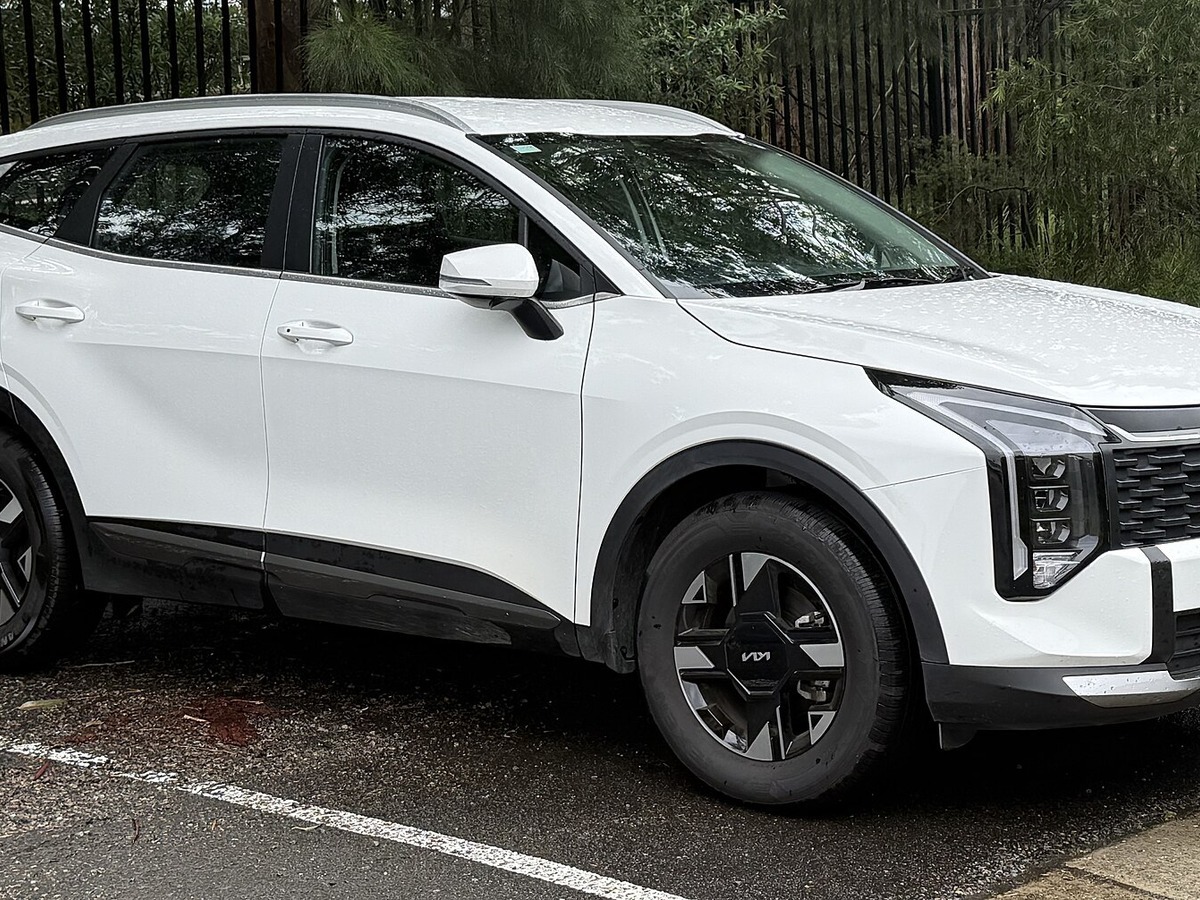
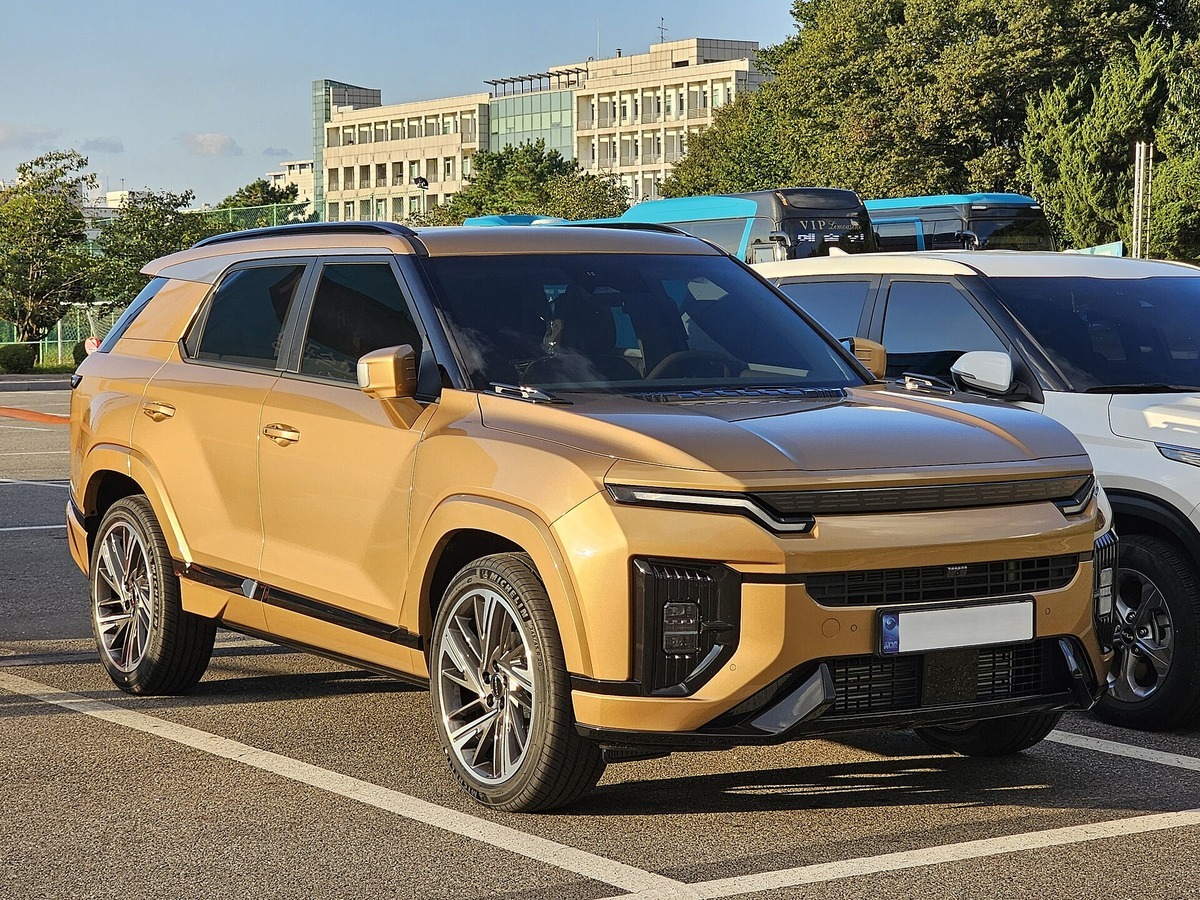
A midsize SUV known for angular styling and a wide cargo area. Available in gas and hybrid, its deep trunk suits bulky items like camping gear, worth comparing against the Santa Fe or Sorento. It lacks Hyundai and Kia's brand recognition, but its cargo practicality relative to price is strong — add it to your list if value matters most.

10
A city-friendly SUV sized between the Kona and Tucson. It pairs a usable second row with practical cargo space, available in gas and hybrid. It's not as roomy as a compact SUV, but offers more room than a subcompact — a middle-ground pick for families wanting more space than a first car without a bigger footprint, with styling that stands out.

11
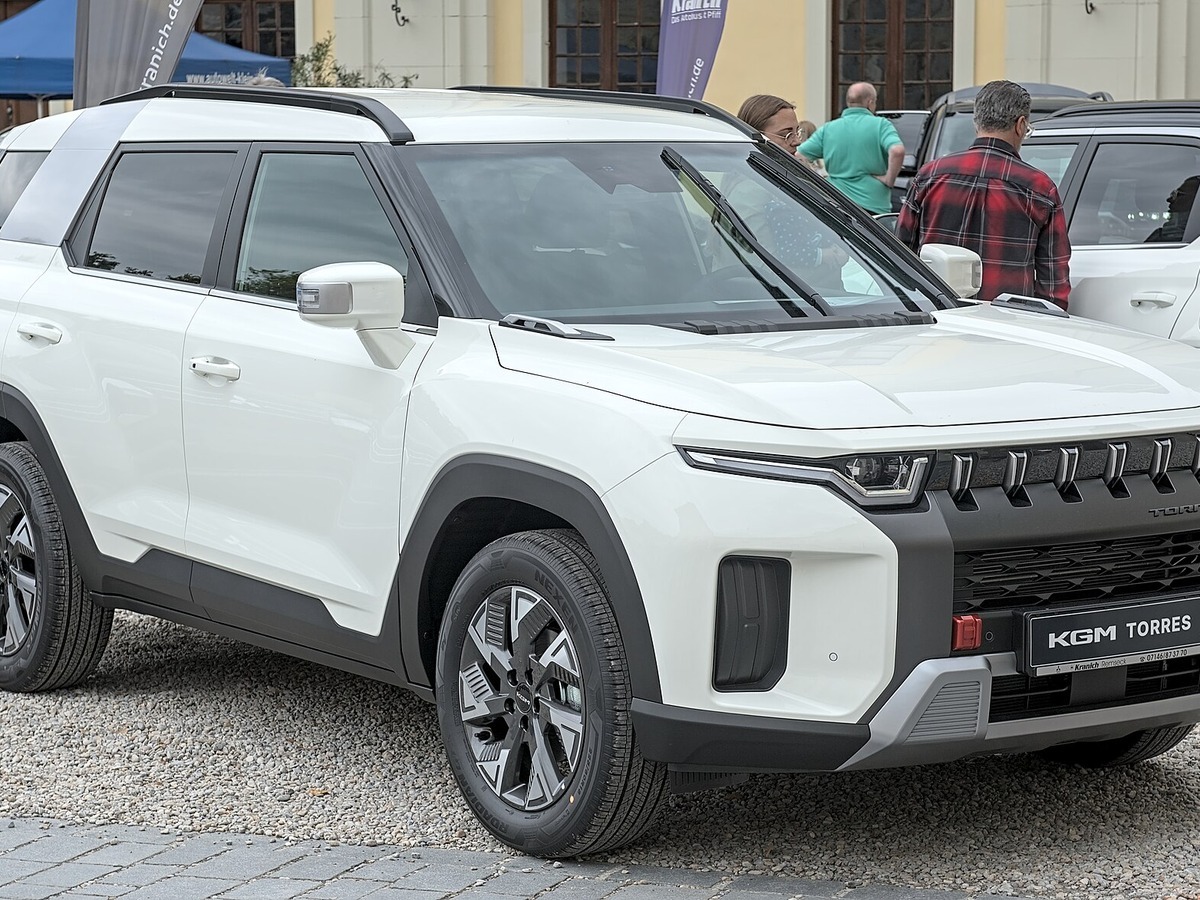
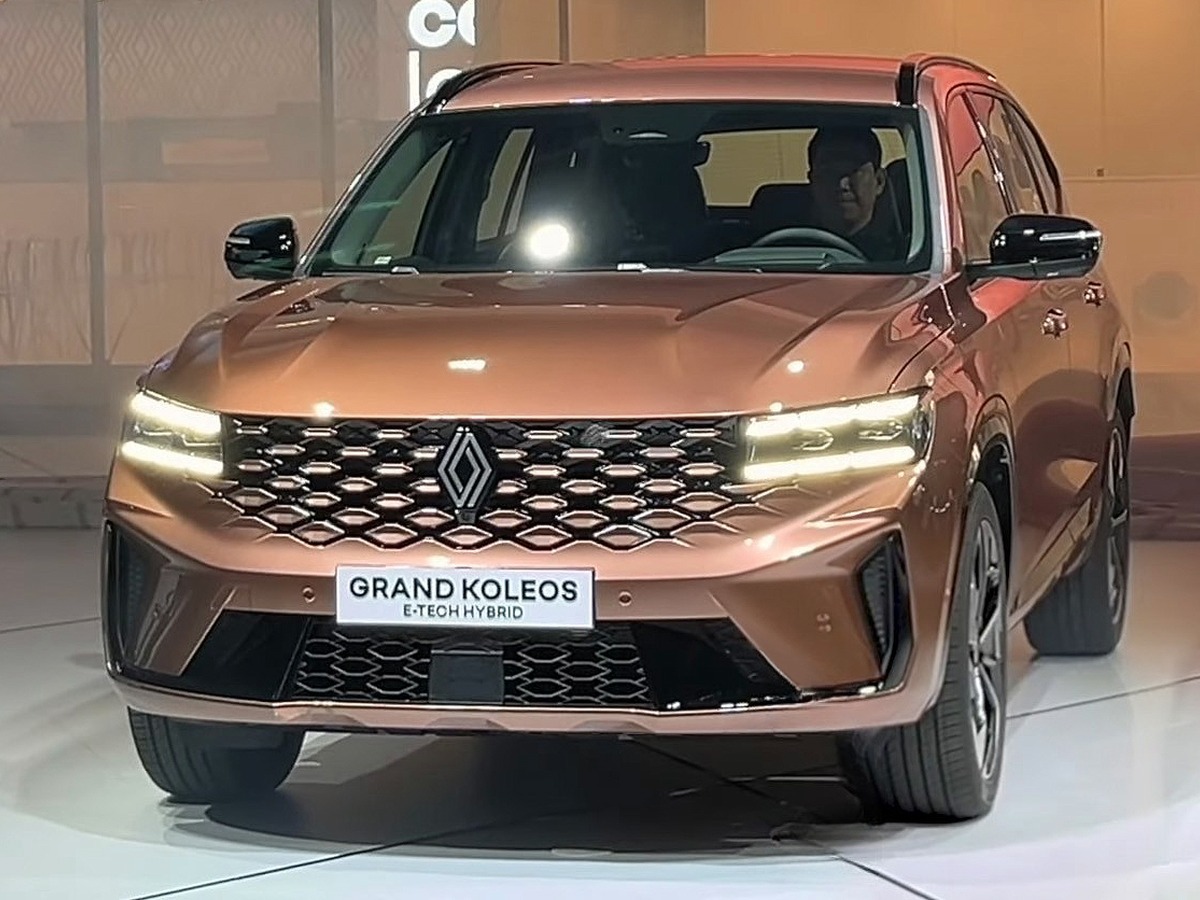
A midsize SUV whose strengths are a wide second row and a hybrid option. Choose gas or hybrid, with an interior feel noticeably different from Hyundai or Kia. It has a smaller dealer network and fewer variants, but its second-row space rivals the similarly sized Santa Fe or Sorento — worth a test drive if second-row space is your priority.

12
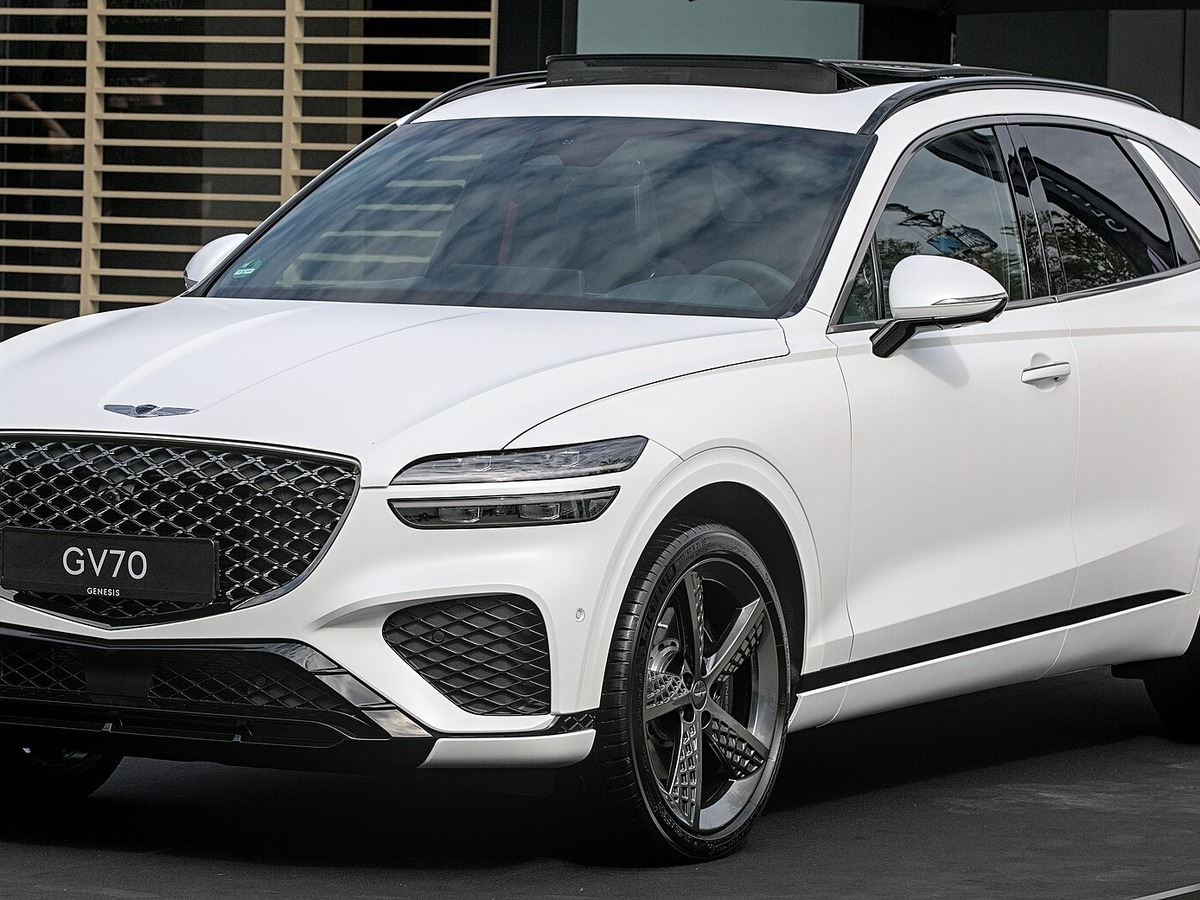
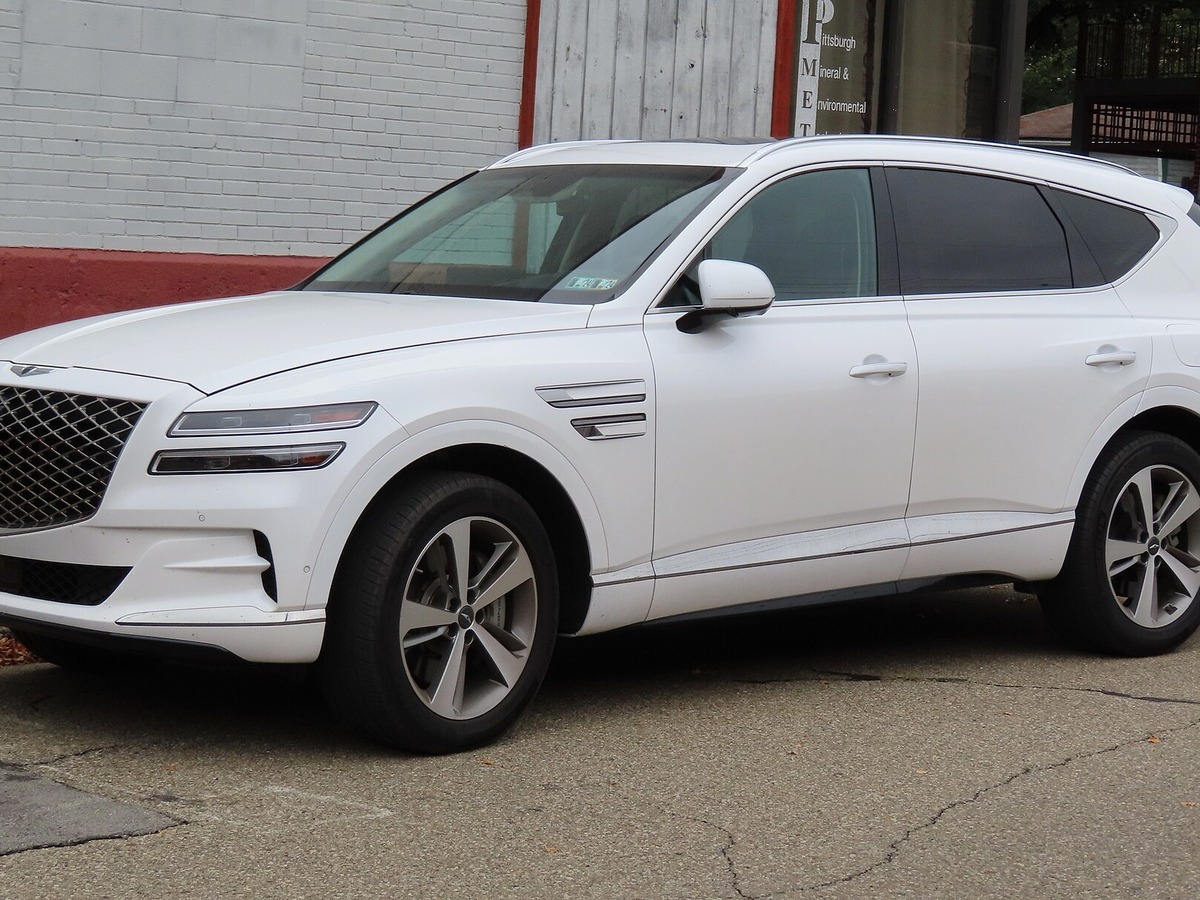
A midsize premium SUV known for upscale materials and a quiet ride. The second row is comfortable, and detail features run more thorough than mainstream models. It sits near the top of this list on price, but quality and after-sales satisfaction run high — worth it for a couple or small family wanting luxury and practicality. Need a third row? Compare the GV80.

13
A large premium SUV available in 5-, 6-, or 7-seat layouts with rich rear-seat amenities. The second row is the roomiest here, and even row three stays reasonably comfortable for adults on shorter trips. It carries the highest price of the thirteen, but build quality and long-distance comfort stand out — a top pick for luxury plus family practicality.

How to choose
Families who often take long trips with three adults should start with the Palisade at No. 4 or the GV80 at No. 13. For a balanced budget pick, try the Tucson at No. 2 or the Sportage at No. 6. Want EV running costs? Compare the EV5 at No. 8; for hybrid efficiency, look at the Niro at No. 5.
In person, check second-row width with an actual car seat, tailgate lift height, and the step row three leaves when folded. This reflects our research date, so confirm the latest details through official channels before you visit or buy.
Frequently asked questions
Is a third row always better for a bigger family?
Not necessarily. Many models lose almost all trunk space once row three is up, and getting into it can be awkward enough that you fold row two forward often. If you only need five-plus seats on weekends but carry cargo daily, a 5-seat model can be more practical.
Does a bigger SUV always mean higher running costs?
Powertrain type, fuel economy, tire size, and service network matter more than overall size. Even within one class, running costs between a hybrid and a gas model can differ a lot, so check fuel costs and insurance before signing anything.
What should I actually check on a test drive?
Bring the car seat, stroller, and cargo you use in real life and load them in. Have the family check for a step when row two folds, how high you lift things from the tailgate, and whether the driver can glance back easily. That turns a vague impression into a real decision.
Which is better, the EV5 or the hybrid Niro?
If you can install a home charger and mostly drive short distances, the EV5 tends to cost less to run. If charging access is limited or you drive long distances often, the Niro's ability to refuel anywhere is less hassle. It comes down to your daily driving pattern.
How do the GV70 and GV80 differ from mainstream models?
They cost more, but the difference shows in interior materials, cabin quiet, and detail features. The GV70 is midsize and suits couples or small families, while the GV80 offers 5-, 6-, or 7-seat layouts for families who actually use a third row. Both score well on after-sales satisfaction.
NEWSLETTER
Get new lists before anyone else
Once a week — only the new lists worth your time.
No spam · unsubscribe in one click
This page contains affiliate links. We may earn a commission from qualifying purchases.