
Ads for bolt-on fuel savers promise instant results, but tire pressure and oil changes move fuel economy far more.
Ads for fuel-saving gadgets make it sound like clipping on one part will noticeably cut your gas bill. In reality, fuel economy is shaped more by things easy to overlook — tire pressure, oil condition, unnecessary idling. Basic maintenance doesn't show off, so it gets pushed aside while flashier products get the money first.
This list puts maintenance habits, and the tools that make them easier, ahead of any flashy gadget. Items are ordered by how well-established their effect is and how low the ongoing effort is. Check the top items today; the ones further down are fine once you have spare time.
How this list was built
- Is the effect a recognized part of maintenance, not a marketing claim?
- Does it apply to most drivers, not one narrow vehicle type?
- Is the cost and effort low enough to stick with long-term?
- Can a driver manage it without a shop visit?
Build a Habit of Checking Tire Pressure with a Gauge
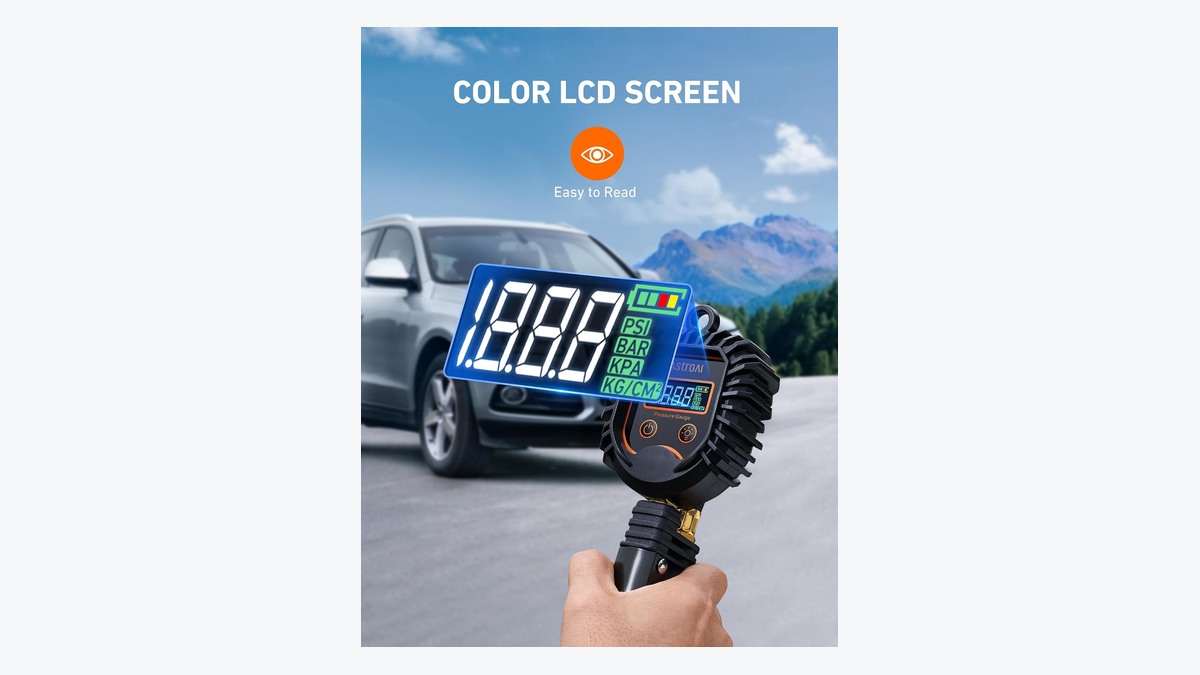
Keep a Portable Air Compressor for Quick Fixes
Time a Tire Replacement Around Low Rolling Resistance
Catch Early Warning Signs with an OBD2 Scanner
Track Real-World Mileage with a Vehicle Management App
Stick to the Engine Oil Change Interval
Replace the Air Filter to Keep Intake Airflow Clear
Mount a Roof Box or Carrier Only When You Need It
How to choose
Not sure where to start? Begin with rank 1, tire pressure — it costs almost nothing and takes minutes. Drive long distances or tend to forget? Pair it with rank 2's compressor. Want real numbers on your car's condition? Ranks 4 and 5, the OBD2 scanner and tracking app, work well together.
Before chasing a single gadget's marketing claims, check whether you're already keeping up with the basics on this list. This reflects the time of research; intervals and specs can change, so confirm with your manual or an official channel first.
Frequently asked questions
Will one fuel-saving gadget noticeably improve my mileage?
It's hard to say a single bolt-on product will meaningfully improve fuel economy on its own. Gains are more realistically expected when basics like tire pressure, engine oil condition, and driving habits are managed together. It's more accurate to treat gadgets as supporting tools rather than a standalone fix.
How often should I check tire pressure?
Checking once each time the seasons change, or before a long drive, is a commonly recommended habit. The correct pressure varies by vehicle, so follow the figure printed on the driver's door jamb or in the owner's manual.
Can a beginner use an OBD2 scanner?
Reading basic diagnostic codes isn't difficult once you learn the process, even for beginners. Interpreting what a code means and deciding on a repair, however, often requires mechanical knowledge, so it's safer to use the scanner to catch issues early and consult a shop for the actual fix.
Does fuel economy drop right away if I skip an oil change?
Fuel economy doesn't necessarily worsen immediately if you're slightly late on an oil change, but as oil condition degrades, engine friction can increase, which may hurt both fuel economy and engine longevity over time. Sticking to the manufacturer's recommended interval is the safer approach.
Is it fine to keep a roof box mounted all the time?
Keeping a roof box or bike carrier mounted permanently is known to increase aerodynamic drag, which can work against fuel economy while driving. It's better for fuel efficiency to mount it only when needed, such as for trips or camping, and remove it afterward.
How much will my mileage improve if I follow all of these?
This article doesn't state a specific improvement figure, since the actual result depends on vehicle condition, driving environment, and habits. What's consistently understood, though, is that sticking to basic maintenance is the starting point for managing fuel economy.
Get new lists before anyone else
Once a week — only the new lists worth your time.
No spam · unsubscribe in one click